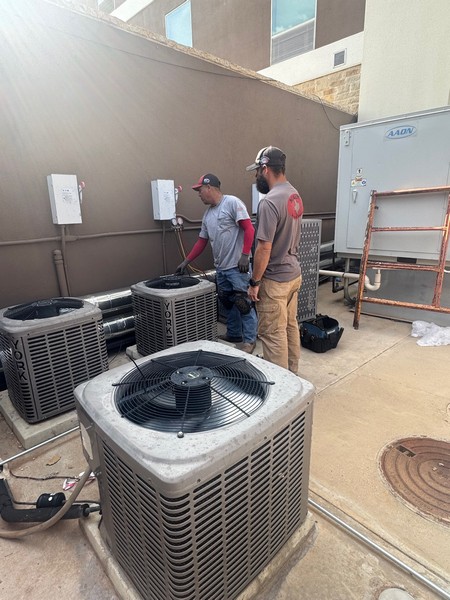
How to Find a Reputable HVAC Contractor (And Avoid Costly Mistakes)
Your heating and cooling system is one of the most significant investments in your home. From summer heatwaves to winter freezes, your HVAC system works year-round to keep your indoor air safe, clean, and comfortable.
However, even top-tier HVAC equipment will underperform if installed or serviced improperly. Finding a reliable, trustworthy contractor is essential. Here are key steps to ensure you choose the right professional for your heating and air conditioning needs.
1. Verify Licensing and Insurance
Never hire an unlicensed contractor. A reputable HVAC technician must hold active state licenses and carry comprehensive liability and workers’ compensation insurance. This protects your property and guards you against liability in the event of an accidental injury on the job.
2. Look for Factory Authorizations and Certifications
Top manufacturers do not give their seal of approval to just anyone. Look for contractors with official brand credentials, such as Bryant Factory Authorized Dealers. Authorizations indicate that technicians undergo ongoing rigorous factory training and adhere to strict technical quality standards.
3. Demand Upfront, Transparent Pricing
Reputable HVAC companies believe in clear, straightforward communication. Avoid companies that give vague estimates over the phone without evaluating your property first, or those who tack on hidden fees after completing a service call. Look for contractors that offer upfront pricing and free estimates on replacement installations.
4. Check Local Reviews and Community Reputation
Online reviews on Google and local platforms provide transparent insight into a company’s performance, punctuality, and customer care. Look for consistent feedback regarding punctuality, clean work sites, clear communication, and customer satisfaction. Family-owned businesses that have served the area for decades often prioritize lasting customer relationships over quick sales.
5. Beware of High-Pressure Sales Tactics
A trustworthy contractor diagnoses root issues and explains solutions clearly without resorting to high-pressure sales pitches. If a technician insists that your entire system must be replaced immediately without explaining why, consider getting a free second opinion.
The Nugent Difference
Since 1999, Nugent Mechanical Contractors has delivered high-quality, honest heating and cooling service across Lubbock and surrounding communities. As a family-owned, licensed, and bonded Bryant Factory Authorized Dealer, we stand behind our workmanship with a 100% satisfaction guarantee.
The Pros and Cons of Different Furnace Types: Choosing the Right Heating System for Your Home
When West Texas winter temperatures drop, a reliable heating system isn’t just a comfort—it’s a necessity. If your furnace is aging, making strange noises, or causing your energy bills to spike, it may be time to consider a replacement.
However, with several furnace types on the market, choosing the right system can feel overwhelming. At Nugent Mechanical Contractors, we believe in providing honest, straightforward advice to help you make informed decisions for your home. Here is a breakdown of the pros and cons of the most common furnace types available today.
1. Natural Gas Furnaces
Natural gas furnaces are the most widely used heating systems across the country and in many West Texas neighborhoods.
-
Pros:
-
High Efficiency: Modern gas furnaces boast AFUE (Annual Fuel Utilization Efficiency) ratings up to 98%, meaning nearly all fuel consumed is converted directly into heat.
-
Fast & Powerful Heating: Gas furnaces produce intense, hot air quickly, warming up large spaces rapidly during freezing spells.
-
Cost-Effective Operation: Natural gas is often more economical per unit of heat than electricity.
-
-
Cons:
-
Higher Upfront Investment: Installation costs tend to be higher due to gas line requirements and venting infrastructure.
-
Maintenance Needs: Requires regular safety inspections to prevent potential hazards like carbon monoxide leaks.
-
2. Electric Furnaces
Electric furnaces generate heat using electric heating elements, similar to a giant toaster pushing warm air through ductwork.
-
Pros:
-
Lower Initial Cost: Electric furnaces generally cost less to purchase and install up front.
-
Quiet & Safe: Operating without combustion, there is zero risk of gas leaks or carbon monoxide generation.
-
Long Lifespan: With fewer complex moving mechanical parts, electric systems often last 20 to 30 years with routine care.
-
-
Cons:
-
Higher Monthly Utility Bills: Electricity is generally more expensive per BTU than natural gas, leading to higher operating costs in peak winter months.
-
Slower Heating Speed: Takes longer to warm up colder spaces compared to high-BTU gas units.
-
3. Heat Pumps (Hybrid Electric Systems)
Heat pumps act as an all-in-one heating and cooling solution. Instead of generating heat, they pull warmth from the outside air and transfer it indoors during winter, then reverse the process during summer.
-
Pros:
-
Year-Round Comfort: Offers both heating and air conditioning in a single system.
-
Extreme Efficiency: Can lower heating-related energy consumption significantly compared to traditional resistance heating.
-
Eco-Friendly: Reduces carbon footprint by utilizing thermodynamic heat transfer rather than burning fossil fuels.
-
-
Cons:
-
Auxiliary Heating Needed for Extreme Freezes: When temperatures plunge well below freezing, heat pumps may rely on backup electric resistance heat strip kits, temporarily reducing seasonal efficiency.
-
Which System Is Right for You?
Choosing the best system depends on your budget, fuel access, and home layout. Whether you prefer a gas unit or an electric setup, partnering with a trusted technician ensures correct sizing, installation, and energy performance.

Why a New Air Filter Is Crucial for Your HVAC System
Changing your air filter is one of the simplest home maintenance tasks, yet it is often the most neglected. Your HVAC system’s air filter does far more than just trap dust—it plays a direct role in maintaining overall equipment health, indoor air cleanliness, and monthly energy efficiency.
4 Reasons Never to Skip Filter Changes
-
Protects Equipment from Costly Damage: Dust and debris bypassing a dirty or missing filter accumulate on sensitive indoor evaporator coils and blower motors. Over time, this buildup causes coils to freeze, motors to overheat, and components to fail prematurely.
-
Lowers Monthly Energy Bills: When a filter becomes clogged, your system has to work significantly harder to draw air through the restricted material. Replacing dirty filters regularly reduces system workload and optimizes energy consumption.
-
Maintains Healthy Indoor Air Quality: Air filters trap household dust, pollen, pet dander, mold spores, and airborne particulate matter. Timely replacements keep these pollutants from continuously recirculating through your living areas.
-
Ensures Proper System Airflow: Restricted airflow from a clogged filter prevents your HVAC system from maintaining set thermostat temperatures, leading to uneven cooling and continuous, inefficient running cycles.
How Often Should You Change Your Filter?
-
Standard 1-inch filters: Replace every 30 to 60 days.
-
Homes with pets or allergies: Replace every 30 days.
-
High-efficiency pleated/media filters (3 to 5-inch): Inspect quarterly and replace every 6 to 12 months.
Keep Your System Running Clean
Regular filter replacement is your system's first line of defense against unexpected breakdowns and poor air quality.
Want to ensure your HVAC system is performing at its best?
Schedule a comprehensive seasonal tune-up. Get in touch with Neugent Mechanical today!

Why a New Air Filter is Crucial for Your HVAC System
Of all the tasks involved in maintaining a home, changing your HVAC air filter is one of the simplest—yet it is also the most frequently overlooked.
Many homeowners assume the air filter exists solely to purify the air they breathe. While air quality is a great benefit, the filter’s primary job is actually to protect the internal components of your heating and cooling system from dust and debris.
Skipping routine filter changes can trigger a domino effect of system problems. Here is why keeping a clean air filter installed is critical to your HVAC system’s health.
What Happens When You Neglect Your Air Filter?
1. Reduced Airflow and Uneven Cooling
As an air filter traps dust, pet dander, and fibers, its mesh gradually fills up. A clogged filter severely restricts airflow through your ductwork, forcing your system to work much harder to push conditioned air into your rooms.
2. Frozen Evaporator Coils
Air conditioning systems rely on steady airflow over the evaporator coil to absorb heat from inside your home. When restricted airflow prevents proper heat absorption, the refrigerant inside the coil gets too cold, causing moisture to freeze solid on the coils. An ice-covered coil completely halts cooling and can damage your compressor.
3. Increased Energy Consumption & Wear
A system suffocating from a dirty filter runs longer cycles to reach the temperature set on your thermostat. This extra runtime causes electricity bills to surge and accelerates mechanical wear on the blower motor.
4. Poor Indoor Air Quality
Once a filter reaches saturation, trapped dust and debris get pulled directly into your ductwork and recirculated throughout your home. This exacerbates symptoms for family members dealing with seasonal allergies or asthma.
How Often Should You Change Your Filter?
Recommended filter replacement schedules depend on your household dynamics:
-
Basic Fiberglass Filters: Replace every 30 days.
-
Pleated Filters (Standard Household): Replace every 60 to 90 days.
-
Homes with Pets or Allergy Sufferers: Inspect monthly and replace every 30 to 60 days.
Trust Nugent Mechanical for Comprehensive Care
Changing your filter regularly is a great DIY habit, but full system care requires regular professional inspections to catch hidden issues early. Keep your heating and cooling running efficiently all year with help from Nugent Mechanical.
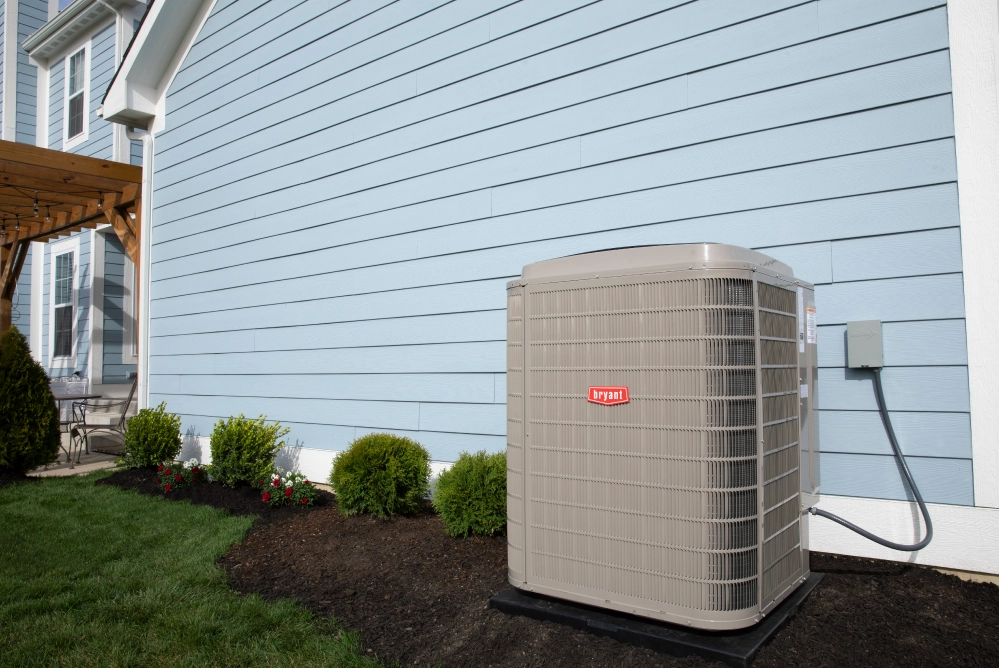
The Benefits of Installing a New HVAC System
If your current heating and air conditioning unit is more than 10 to 15 years old, constantly needs repairs, or struggles to maintain consistent indoor temperatures, upgrading to a modern system is one of the best investments you can make for your home or business.
Modern HVAC technology delivers performance gains that go far beyond simply blowing cold or warm air.
Key Advantages of Upgrading Your Heating and Cooling
-
Substantial Energy Savings: Modern high-efficiency systems feature higher SEER2 (Seasonal Energy Efficiency Ratio) ratings, using significantly less electricity to cool and heat your space. This translates directly into lower monthly utility bills.
-
Consistent Indoor Comfort: Newer systems offer variable-speed technology and advanced airflow control, eliminating hot or cold spots and keeping indoor temperatures steady throughout the day.
-
Improved Indoor Air Quality: Updated systems pair seamlessly with modern filtration, humidity control, and air purification equipment, reducing dust, allergens, and airborne pollutants.
-
Quieter Operation: Advances in sound-dampening technology and modern compressor design mean new systems run far quieter than older, noisy units.
-
Peace of Mind and Reliability: A fresh system paired with manufacturer warranty coverage eliminates the stress and expense of sudden breakdown repairs during seasonal temperature extremes.
Invest in Lasting Comfort
Upgrading your HVAC unit increases your property's value while providing immediate daily comfort and lower operating costs.
Ready to lower your energy bills and upgrade your home's comfort?
Explore modern high-efficiency options with our local experts. Contact Neugent Mechanical today for a free installation estimate!
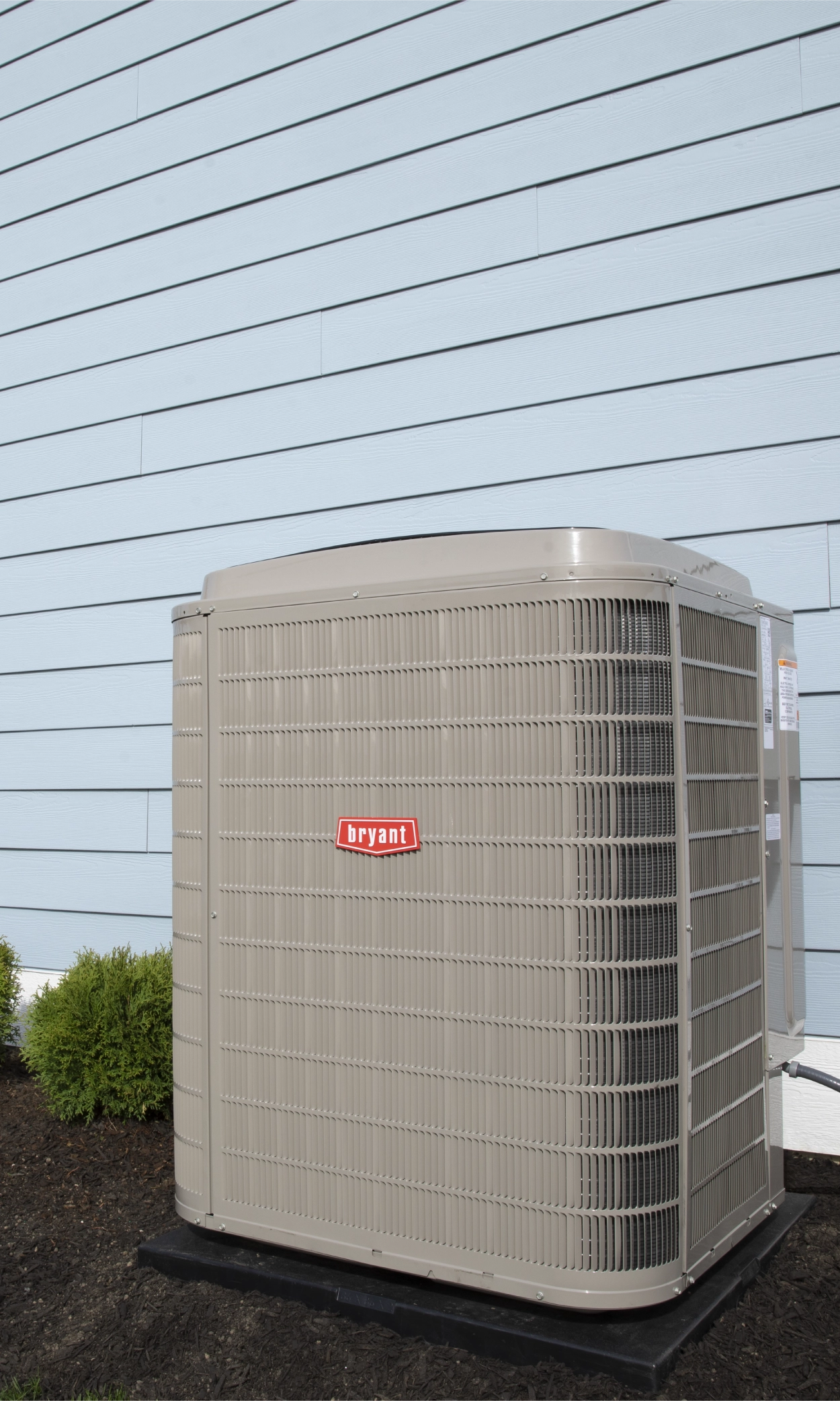
The Benefits of Installing a New HVAC System
Is your existing heating and cooling system constantly struggling to maintain comfortable temperatures? Are you spending money on frequent repairs while monthly electric bills continue to rise?
While replacing an old HVAC unit requires an upfront investment, upgrading to a modern, energy-efficient system delivers long-term financial savings and everyday comfort upgrades.
Top Advantages of Upgrading Your HVAC System
1. Significantly Lower Energy Bills
Modern HVAC units operate under strict SEER2 (Seasonal Energy Efficiency Ratio) standards. Older systems lose efficiency over time, forcing them to draw more power to achieve basic cooling. Installing a modern high-efficiency unit can lower your monthly cooling energy consumption by up to 20–40%.
2. Superior Indoor Comfort & Even Temperatures
Outdated single-stage systems turn on and off at maximum capacity, creating hot spots, cold drafts, and temperature swings between rooms. Modern variable-speed or two-stage units adjust output continuously, maintaining even temperatures and effective humidity control throughout your home.
3. Fewer Emergency Repairs & Greater Reliability
Aging systems are prone to unexpected breakdowns—often during peak summer heat or mid-winter cold snaps. A new installation provides peace of mind, backed by robust manufacturer warranties that protect you from costly out-of-pocket repair bills.
4. Improved Indoor Air Quality
Newer HVAC setups incorporate advanced filtration options, quieter blower motors, and improved humidity balance. This reduces indoor dust, airborne allergens, and mold spore circulation, creating a healthier living space for your family.
5. Increased Property Value
A newly installed, highly efficient HVAC system is a strong selling point for potential buyers. It demonstrates responsible home maintenance and assures buyers they won’t face major heating or cooling replacement costs anytime soon.
Upgrade Your Comfort with Nugent Mechanical
If your system is over 10 to 12 years old and requiring frequent service, it may be time to evaluate replacement options. Nugent Mechanical offers expert equipment sizing, transparent estimates, and precision installation tailored to your building’s specific heating and cooling load.
Contact us today to explore your installation options!
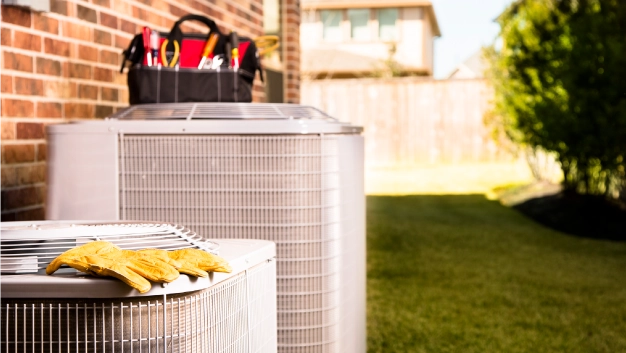
A Homeowner's Guide to Residential and Commercial HVAC Services
Whether managing a busy household or running a local business, reliable heating and cooling are essential for comfort, safety, and operational efficiency. Understanding how residential and commercial HVAC systems differ—and what services keep them running smoothly—helps property owners make smart decisions about their indoor climate.
Residential vs. Commercial HVAC: What’s the Difference?
While both systems serve the same basic purpose of heating, cooling, and circulating air, their scale and operational demands vary significantly:
-
System Location & Footprint: Residential units typically split components between an outdoor pad and an indoor closet, basement, or attic. Commercial systems are usually modular rooftop units (RTUs) that save ground space and reduce noise inside working areas.
-
Capacity & Complexity: Commercial systems handle larger square footage and heavier occupancy loads, requiring multi-zone setups, advanced ventilation, and complex controls compared to standard single-family home systems.
-
Maintenance Demands: Because commercial equipment operates continuously under heavy demand, it requires frequent, structured servicing to prevent costly downtime. Residential systems benefit from thorough twice-a-year seasonal tune-ups.
Essential HVAC Services Every Property Owner Needs
Keeping indoor air comfortable year-round requires three core service categories:
-
Preventative Maintenance: Seasonal inspections clean coils, verify refrigerant levels, inspect electrical connections, and catch minor wear before it causes a system breakdown.
-
Precision Repairs: Prompt diagnostic and repair service resolves airflow issues, failing components, or unusual noises, restoring efficiency quickly.
-
System Upgrades & Replacement: When aging units lose efficiency or break down frequently, professional sizing and installation of new, high-efficiency equipment dramatically lowers energy bills.
Trust Neugent Mechanical for Your Heating and Cooling Needs
From family living rooms to commercial properties, expert HVAC care keeps your building safe and efficient through every season.
Need reliable heating or cooling service?
Protect your comfort and energy budget. Contact Neugent Mechanical today to schedule your service or consultation!
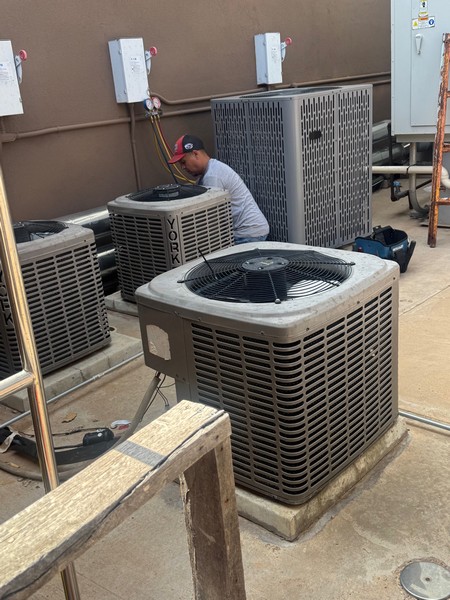
A Homeowner's Guide to Residential and Commercial HVAC Services
When you step into a building—whether returning to your home after a long day or entering your office on a hot afternoon—you expect clean, comfortable, controlled indoor air. That seamless comfort is made possible by your heating, ventilation, and air conditioning (HVAC) system.
Understanding how residential and commercial HVAC services differ, as well as knowing when to request professional help, empowers you to make smart, cost-effective decisions for your property. Here is a guide to the core HVAC services that keep home and business environments running reliably year-round.
Residential vs. Commercial HVAC: What’s the Difference?
While both systems serve the same basic function—heating and cooling spaces—their scope, design, and complexity vary significantly:
-
Residential HVAC Systems: Typically split systems, featuring an indoor evaporator unit and an outdoor condenser unit. They are engineered to maintain steady temperatures across individual living spaces and rely on standard ductwork setups.
-
Commercial HVAC Systems: Built to handle high occupant capacity and larger square footage. These modular systems are often installed on rooftops (packaged RTUs) to save interior space and allow easy servicing without disturbing workplace operations.
Core HVAC Services Every Property Owner Needs
1. Routine Maintenance & Seasonal Tune-Ups
Preventative maintenance is the most effective way to avoid emergency breakdowns. Annual tune-ups—ideally performed in the spring for AC systems and fall for heating systems—include cleaning coils, checking refrigerant levels, inspecting electrical connections, and testing thermostats.
2. Timely Diagnostics & Repairs
Strange noises, weak airflow, sudden spike in utility bills, or inconsistent temperatures across rooms are clear warning signs. Professional diagnostic services identify failing components before minor electrical issues or mechanical wear cause total system failure.
3. Equipment Replacement & Installation
Even well-maintained HVAC systems have a typical lifespan of 12 to 15 years. Modern high-efficiency replacements deliver quieter operation, consistent humidity control, and substantial reductions in monthly energy bills.
Why Professional Service Matters
Attempting DIY fixes on complex electrical, gas, or refrigerant lines poses safety risks and often voids manufacturer warranties. Certified HVAC technicians possess the specialized tools and training required to service equipment safely and accurately.
At Nugent Mechanical, we deliver dependable residential and commercial HVAC solutions across Lubbock and surrounding West Texas communities. Whether you need a quick home repair or comprehensive commercial maintenance, our team has you covered.
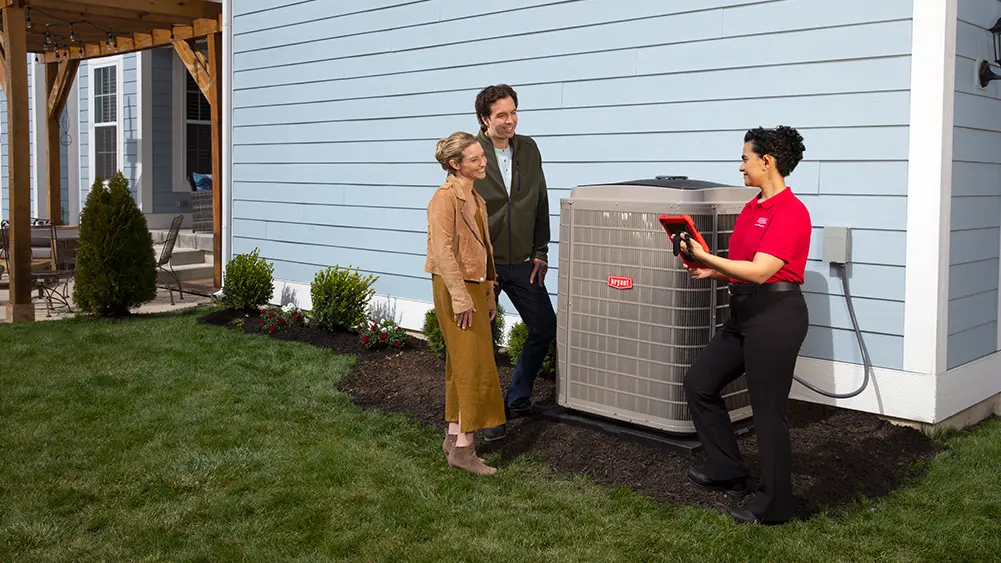
Understanding Your HVAC Warranty and What It Covers
A new heating and cooling system is a significant investment in your home’s long-term comfort. Like any major purchase, it comes with a warranty designed to protect you from premature failures. However, HVAC warranties can be notoriously complex, filled with fine print that determines whether a repair is covered or if you’re stuck with the bill.
At Nugent Mechanical Contractors, we believe in total transparency. Understanding the difference between a manufacturer’s warranty and a labor warranty is essential for every Lubbock homeowner. Here is a breakdown of what you need to know.
1. The Manufacturer’s Parts Warranty
This is the most common type of warranty, provided by the brand that built the unit (such as Trane, Carrier, or Lennox).
-
What it covers: Specifically, the internal components of the machine—things like the compressor, coils, fan motors, and circuit boards.
-
The Timeline: Most major brands offer a 5-year base warranty. However, many manufacturers will extend this to 10 years if you register the product within a certain timeframe (usually 60 to 90 days) after installation.
-
The Catch: This warranty typically covers the cost of the part, but not the shipping or the specialized labor required to install it.
2. The Labor Warranty
While the manufacturer covers the "parts," the labor warranty covers the "work." This is usually provided by the HVAC company that performed the installation.
-
What it covers: The technician's time, diagnostic fees, and the physical labor of replacing a failed component.
-
The Importance: Labor costs can often be the most expensive part of a repair. Having a solid labor warranty from a reputable company like Nugent Mechanical Contractors provides true "bumper-to-bumper" peace of mind.
3. What Can "Void" Your Warranty?
A warranty is a two-way street. To keep it valid, you must fulfill certain requirements. Most homeowners are surprised to learn that their coverage can be cancelled for several reasons:
-
Lack of Professional Maintenance: Most manufacturers explicitly state that the unit must be serviced annually by a licensed professional. If a compressor fails and you cannot provide proof of regular maintenance, the claim may be denied.
-
Unlicensed Repairs: If a "handyman" or an unlicensed individual attempts to repair the system, the manufacturer's warranty is often immediately voided.
-
Non-OEM Parts: Using "off-brand" or generic replacement parts instead of Original Equipment Manufacturer (OEM) parts can disqualify you from future coverage.
-
Failure to Register: As mentioned above, failing to register your new unit online shortly after installation can cut your 10-year warranty down to just 5 years.
4. What Is NOT Covered?
It is important to remember that a warranty is not the same as home insurance. Standard warranties typically do not cover:
-
Environmental Damage: Damage from Lubbock's famous dust storms, lightning strikes, or hail is usually an insurance claim, not a warranty repair.
-
Pest Damage: If a rodent chews through your electrical wiring, the manufacturer will not cover the repair.
-
Ancillary Parts: Items like air filters, thermostat batteries, and external ductwork are generally excluded from the equipment warranty.
The Nugent Commitment to Your Warranty
When you partner with Nugent Mechanical Contractors, we take the guesswork out of the process. We assist our customers with the registration of their new equipment and maintain detailed service records for every visit. This ensures that if a part does fail, you have all the documentation necessary to get it replaced under warranty without the hassle.
Have questions about the coverage on your current system? Contact Nugent Mechanical Contractors today! We can help you understand your warranty status and keep your system compliant through professional seasonal maintenance.
How to Maintain Your AC to Extend Its Lifespan
An air conditioning system is one of the most significant investments you will make in your home. In the demanding climate of West Texas, your HVAC unit works thousands of hours every year to combat extreme heat and blowing dust. Without proper care, a system designed to last 15 to 20 years can fail in as little as 10.
At Nugent Mechanical Contractors, we believe the best way to save money on your AC is to keep the one you already have running perfectly. Here are the essential maintenance steps every Lubbock homeowner should take to extend the life of their system.
1. The Golden Rule: Change Your Filters
It sounds simple, but a dirty air filter is the number one cause of system failure.
-
The Problem: A clogged filter restricts airflow, forcing the blower motor to work twice as hard. This creates heat and friction that eventually burns out the motor. Furthermore, restricted airflow can cause your evaporator coils to freeze over.
-
The Schedule: In Lubbock, we recommend checking your filters every 30 days. If you have pets or a high-dust environment, you may need to replace them more frequently.
2. Keep the Outdoor Unit Clear
Your outdoor condenser unit needs to "breathe" to release the heat it gathered from inside your home.
-
The Debris Danger: High winds in West Texas often blow weeds, trash, and dirt into the delicate fins of your condenser.
-
The Fix: Maintain a two-foot clearance around the unit. Trim back shrubs, remove tall grass, and never store items (like garden hoses or bikes) leaning against the unit.
-
Cleaning: Periodically use a garden hose to gently spray the exterior fins. This removes the "blanket" of dust that acts as an insulator and forces the compressor to run hotter and longer.
3. Clear the Condensate Drain Line
Your AC doesn't just cool the air; it removes moisture. That moisture drips into a drain pan and flows out of your house via a small PVC pipe.
-
The Risk: Over time, algae and "sludge" can grow inside this line, causing a blockage. This leads to water backing up into your home, potentially causing thousands of dollars in ceiling or flooring damage.
-
Pro Tip: Once or twice a year, pour a cup of distilled white vinegar down the drain line access point to kill any organic growth before a clog forms.
4. Schedule Professional Spring Tune-Ups
While there is a lot you can do yourself, certain technical checks require a professional. A Nugent Mechanical Contractors technician performs a comprehensive multi-point inspection that includes:
-
Electrical Tightening: Ensuring all connections are secure to prevent arcing or fire hazards.
-
Refrigerant Level Check: A system low on "freon" has to run significantly longer to achieve the same cooling effect, putting immense strain on the compressor.
-
Lubrication: Oiling moving parts to reduce friction and noise.
-
Coil Cleaning: Using professional-grade chemical cleaners to restore the thermal transfer efficiency of your evaporator and condenser coils.
5. Listen to Your System
Your AC will often tell you it’s struggling before it actually breaks. Be on the lookout for:
-
Short-Cycling: If the unit turns on and off every few minutes, it’s under stress.
-
Strange Noises: Squealing, grinding, or banging sounds often indicate a failing belt or motor bearing.
-
Rising Bills: If your utility costs are climbing but the weather hasn't changed, your system is likely losing its efficiency.
Extend Your Comfort with Nugent Mechanical
Proactive maintenance isn't just about avoiding a breakdown; it’s about ensuring that when that 105°F day hits, your system is ready for the challenge. By following these steps, you’ll enjoy a cooler home, lower bills, and a system that serves you for years to come.
Want to ensure your air conditioning system survives the summer? Contact Nugent Mechanical Contractors today to schedule your professional maintenance visit!