

The Benefits of a Ductless Mini-Split System: Targeted Comfort for Your Home
While traditional central air conditioning is the standard for many homes in Lubbock, it isn’t always the most efficient or practical solution for every space. If you are struggling to cool a sunroom, a new home addition, or a garage workshop, a ductless mini-split system might be the perfect answer.
At Nugent Mechanical Contractors, we specialize in innovative HVAC solutions. Mini-splits offer a flexible, high-efficiency alternative to traditional systems, providing comfort exactly where you need it without the need for extensive ductwork.
What is a Ductless Mini-Split?
As the name suggests, these systems provide cooling (and heating) without the use of ducts. They consist of two main components: an outdoor compressor/condenser and one or more indoor air-handling units. These are connected by a small conduit through a tiny hole in your wall, making installation much less invasive than traditional retrofitting.
Key Benefits for West Texas Homeowners
1. Unmatched Energy Efficiency
Traditional HVAC systems lose a significant amount of energy—up to 30%—through the ductwork, especially if those ducts are located in a hot attic. Because ductless mini-split systems deliver air directly into the room, that energy loss is eliminated. This results in lower monthly utility bills and a smaller carbon footprint.
2. Precise Temperature Zoning
Do you have a bedroom that stays too hot while the rest of the house is freezing? Mini-splits allow for "zoning." You can control the temperature of each room independently. This means you only spend money cooling the rooms you are actually using, rather than chilling the entire house all night.
3. Easy and Versatile Installation
Adding ductwork to an existing home can be a construction nightmare involving tearing out ceilings and walls. A mini-split can be installed in as little as one day. They are the ideal solution for:
-
Historic Homes: Preserve the architectural integrity of older Lubbock homes.
-
Home Additions: Cool a new "man cave," hobby room, or guest suite without overtaxing your main AC unit.
-
Garages and Workshops: Turn your workspace into a year-round comfortable environment.
4. Improved Indoor Air Quality
Traditional ducts can accumulate dust, allergens, and mold over time, which are then circulated throughout your home. Ductless systems feature multi-stage filtration that reduces dust, pollen, and other particulates. Because there are no ducts to get dirty, the air entering your room is often much cleaner.
5. Whisper-Quiet Operation
If you are used to the roar of a window unit or the loud "thump" of a central air system kicking on, you’ll be amazed by a mini-split. The indoor units operate so quietly that they are often used in recording studios and libraries.
Is a Mini-Split Right for You?
Whether you are looking to supplement your current system or provide climate control to a specific area of your home, Nugent Mechanical Contractors can help. We evaluate your space and your cooling needs to determine if a ductless mini-split system is the most cost-effective solution for your lifestyle.
Experience the future of home comfort. Contact Nugent Mechanical Contractors today to learn more about our ductless options in Lubbock!
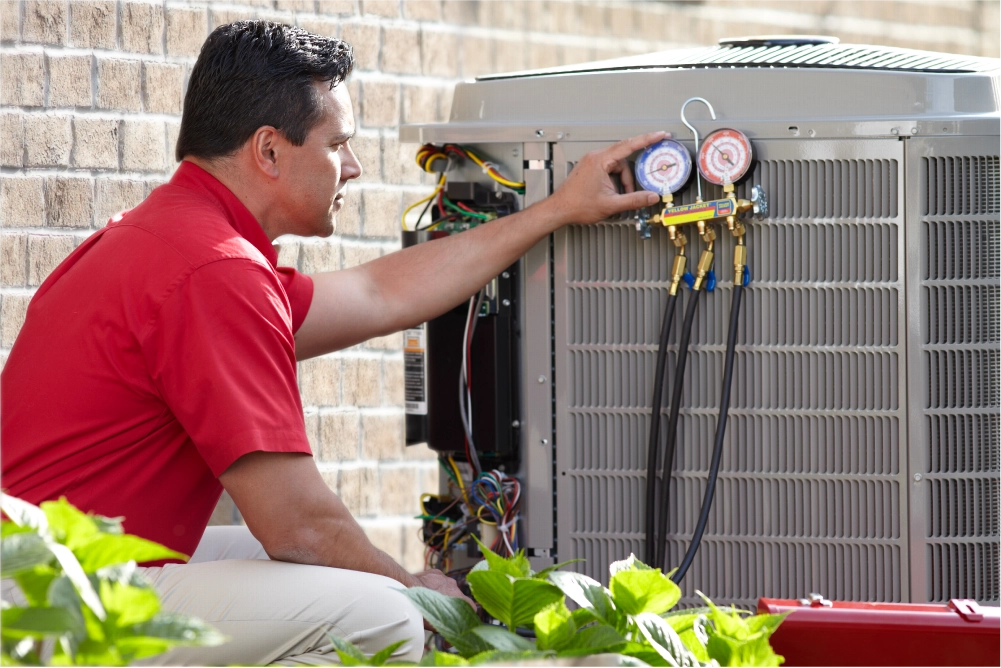
Common Reasons for a Failing Air Conditioner
In West Texas, we push our cooling systems to the limit. When the Lubbock summer hits triple digits, your air conditioner transitions from a luxury to a necessity. However, like any hardworking mechanical system, parts wear down and efficiency can drop. Understanding why systems fail can help you spot issues early and avoid a total breakdown during a heatwave.
At Nugent Mechanical Contractors, we’ve diagnosed thousands of systems. Here are the most common culprits behind a failing unit and how they impact your comfort.
1. Lack of Regular Maintenance
The most frequent cause of failure isn't a "bad" part—it’s neglect.
-
The Impact: Without an annual tune-up, dust and dirt accumulate on the internal components. This creates friction and forces the system to run longer to achieve the same cooling effect.
-
The Result: Eventually, the extra strain leads to a "cascading failure" where one overworked part causes another to break.
2. Refrigerant Leaks
Your air conditioner doesn't "use up" refrigerant like a car uses gas. It circulates it in a closed loop. If your refrigerant is low, you have a leak.
-
The Signs: If your AC is running constantly but the air coming from the vents feels lukewarm, or if you hear a hissing or bubbling sound, you likely have a leak.
-
The Danger: Low refrigerant levels force the compressor to work harder and hotter, which can eventually lead to a total compressor burnout—the most expensive repair in any HVAC system.
3. Clogged Condensate Drain Lines
As your AC cools the air, it also removes moisture (humidity). That water is supposed to flow through a small PVC pipe to the outside of your home.
-
The Problem: Algae, mold, and dust can clog this line. In Lubbock, our hard water can also lead to mineral buildup.
-
The Safety Switch: Most modern systems have a "float switch" that detects a backup. To prevent water from flooding your home, the switch will shut the entire system down, leaving you without air until the line is cleared.
4. Failed Capacitors and Contactors
These are the small electrical components in your outdoor unit that do the heavy lifting.
-
Capacitors: Think of these as high-powered batteries that give your motor the "kick" it needs to start. The extreme West Texas heat can cause these to bulge or "pop."
-
Contactors: These act as the switch that tells the unit to turn on. Over time, the silver coating wears off, and they can "pit" or stick, preventing the system from starting or stopping.
5. Dirty Evaporator or Condenser Coils
Your AC works by transferring heat.
-
Evaporator Coil (Indoor): If this gets dirty, it can't absorb heat from your home. This often leads to the coil freezing into a block of ice.
-
Condenser Coil (Outdoor): If this is caked in West Texas dust or blocked by weeds, it can’t release the heat into the outside air. Your system will run continuously, driving up your energy bills without cooling your home.
Prevent a Failure with Nugent Mechanical Contractors
The best way to deal with a failing air conditioner is to prevent the failure before it starts. Regular inspections can identify a weak capacitor or a small refrigerant leak before they turn into a mid-summer emergency.
Is your AC showing signs of struggle? Don't wait for it to quit completely. Contact Nugent Mechanical Contractors today for a professional inspection and keep your cool all summer long.
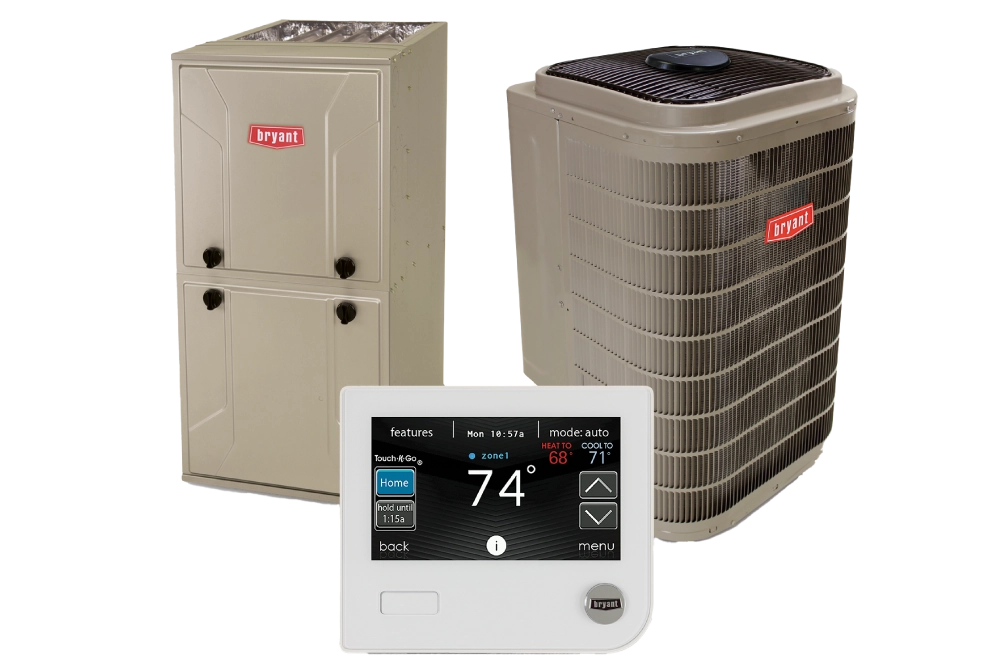
What to Do If Your AC Stops Working
There is never a "good" time for your air conditioning to fail, but in the middle of a Lubbock summer, it can quickly turn from an inconvenience into an emergency. When the vents stop blowing cold air, your first instinct might be to panic—but taking a few systematic steps can help you identify the problem or at least prepare for a professional repair.
At Nugent Mechanical Contractors, we’ve seen it all. Before you call for service, follow this troubleshooting guide to see if you can get the cool air flowing again.
1. Check the Thermostat
It sounds simple, but the thermostat is often the culprit behind a system that won't kick on.
-
Power Check: If the screen is blank, replace the batteries.
-
Settings: Ensure it is set to "Cool" and the temperature is at least 3 degrees lower than the current room temperature.
-
Fan Setting: Switch the fan from "On" to "Auto." If the fan is set to "On," it will blow air even when the AC isn't cooling, leading you to believe the system is broken when it’s simply between cycles.
2. Inspect the Circuit Breaker
Air conditioners draw a significant amount of power, especially during a heatwave. This can sometimes trip the breaker.
-
The Electrical Panel: Locate your home’s main electrical panel and look for the switch labeled "AC" or "HVAC."
-
Resetting: If the switch is in the "Off" position or stuck in the middle, flip it all the way to off and then back to on.
-
Note: If the breaker trips again immediately, do not keep resetting it. This indicates a serious electrical issue or a failing compressor that requires a professional.
-
3. Change Your Air Filter
A clogged, dirty filter is the #1 cause of AC "suffocation."
-
Airflow Restriction: When air can't pass through the filter, the evaporator coil can actually freeze into a block of ice.
-
The Fix: If the filter looks gray or caked in dust, replace it immediately. If you see ice on the indoor unit or the copper pipes, turn the AC OFF and the fan ON to let it thaw for several hours before trying again with a clean filter.
4. Examine the Outdoor Unit (Condenser)
Go outside and check the large unit sitting next to your house.
-
Debris: Ensure there are no weeds, trash, or overgrown bushes blocking the airflow. The unit needs to "breathe" to release the heat from your home.
-
The Fan: If the indoor fan is blowing but the outdoor fan isn't spinning, you likely have a failed capacitor or motor that needs replacement.
5. Check the Condensate Drain Line
Modern AC units have a safety switch (float switch) that shuts the entire system down if the water drain line gets backed up.
-
Clogs: If algae or debris clogs the PVC drain pipe, water backs up into the pan. The safety switch triggers to prevent water damage to your home, killing the power to your AC.
-
The Fix: A technician can clear this line quickly with specialized vacuum tools or pressurized air.
When to Call Nugent Mechanical Contractors
If you’ve checked the thermostat, the breaker, and the filter, and your home is still heating up, it’s time to call in the experts. Issues like low refrigerant, a failed compressor, or electrical component failure require the tools and training of a licensed technician.
At Nugent Mechanical Contractors, we prioritize your comfort and safety. We offer fast, honest diagnostics to get your air conditioning back up and running as efficiently as possible.
Is your home heating up? Don't wait! Contact Nugent Mechanical Contractors today for expert AC repair in Lubbock and the surrounding areas.