
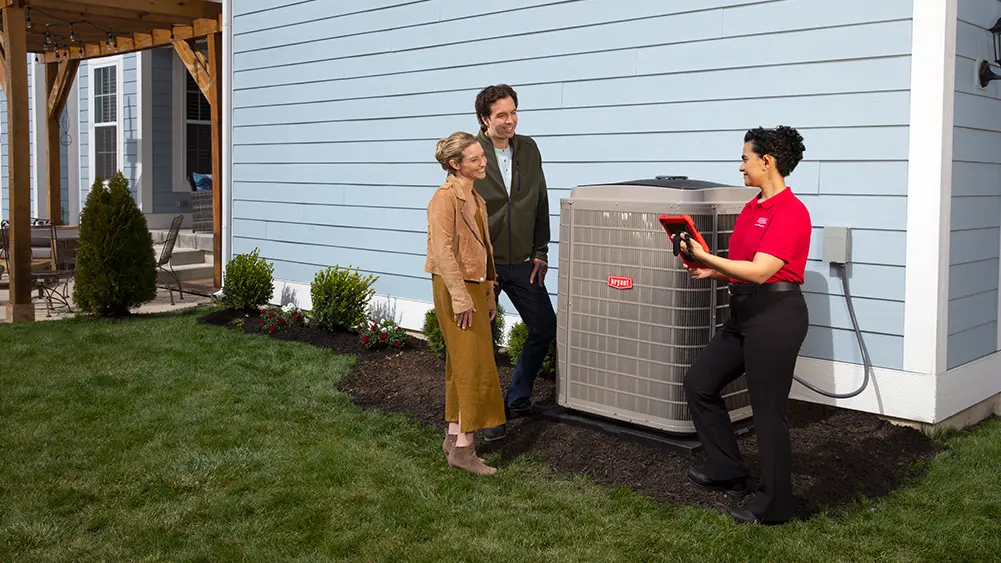
The Best Time to Replace Your Old Air Conditioner
In Lubbock, your air conditioner is the most vital appliance in your home. Knowing when to replace it is a balancing act between avoiding a surprise breakdown and getting the best value. Waiting too long means suffering through high utility bills and eventual emergency repairs, while replacing too early means losing out on the remaining life of your current unit.
At Nugent Mechanical Contractors, we guide homeowners through two critical timing decisions: when your AC is signaling failure and when the calendar offers the best price.
Phase 1: When Your AC is Signaling It's Time
Ignore the calendar if your system is showing these major warning signs—replacement planning should start immediately.
1. The Age Factor
Most central AC units in Texas last 10 to 15 years due to the extreme heat and long operating seasons. If your unit is approaching or past the 10-year mark, it's time to begin budgeting and planning for replacement. An older system, even if running, loses efficiency (SEER rating drops) every year.
2. The Cost of Repairs
Use the "50% Rule": If a repair costs 50% or more of the price of a brand-new unit, replacement is the better long-term financial choice. Similarly, if you are calling us for repairs more than once a year, you are pouring money into a failing system.
3. Skyrocketing Utility Bills
If your monthly energy costs are consistently higher this year than they were the same time last year, it's a huge red flag. An inefficient, aging unit has to run constantly to maintain comfort, costing you hundreds of extra dollars annually. New, high-efficiency models can cut cooling costs by 20% to 40%.
4. System Still Uses R-22 Refrigerant
If your AC unit was manufactured before 2010, it likely uses R-22 refrigerant (Freon). This refrigerant is fully phased out due to environmental regulations. If an R-22 unit develops a leak, the cost and difficulty of finding recycled R-22 to recharge the system can be prohibitive, making replacement the only sensible option.
Phase 2: When the Calendar Offers the Best Value
If your AC is still functional but nearing the end of its lifespan, choosing the right time of year for replacement can save you significantly on both the equipment and installation.
| Season | Demand & Price | Advantages |
| Fall (September – November) | Low Demand. Best Pricing. | Technicians are less busy, meaning lower labor costs and more flexible scheduling. Inventory discounts are common as manufacturers clear stock. |
| Winter (December – February) | Lowest Demand. Deepest Discounts. | Often the slowest period for AC installation, leading to the best deals and maximum scheduling flexibility. |
| Spring (March – May) | Moderate Demand. Normal Pricing. | A good compromise. Installation is completed before the heat hits, guaranteeing you're ready for summer. |
| Summer (June – August) | Peak Demand. Highest Prices. | Avoid if possible. Companies are focused on emergency repairs, leading to higher costs and long wait times (often 1–3 weeks for installation). |
The off-season (Fall and Winter) gives you the luxury of time to research high-efficiency units (16+ SEER2), compare quotes, and take advantage of manufacturer rebates, securing the best overall value for your home.
Don't wait until the next heatwave turns a planned expense into a costly emergency. If your AC is showing its age, contact Nugent Mechanical Contractors today for an honest assessment and to plan your cost-effective upgrade.
How to Get Your Home Ready for the Lubbock Summer Heat
The Lubbock summer is relentless. High temperatures, intense sunshine, and demanding cooling needs mean your home and HVAC system needs to be in peak condition to keep you comfortable and your energy bills reasonable. Preparing your home now, before the heat dome settles in, is the best strategy for a stress-free and efficient season.
At Nugent Mechanical Contractors, we know what it takes to beat the West Texas heat. Here is your essential checklist for getting your home ready for summer.
1. Prioritize Your HVAC System Tune-Up
Your Heating, Ventilation, and Air Conditioning (HVAC) system is your primary defense against summer heat, making it the most critical item on your readiness checklist.
-
-
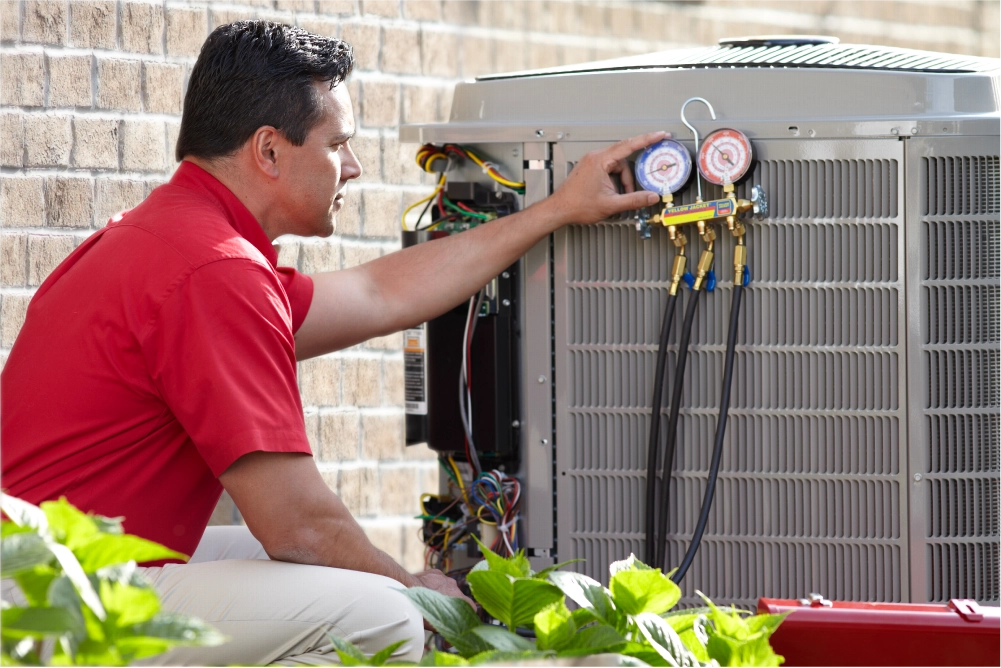
Schedule Professional Maintenance: The single most important step is scheduling a spring/pre-summer tune-up with our certified technicians. We perform essential checks that homeowners cannot, including:
-
Coil Cleaning: Cleaning the indoor evaporator and outdoor condenser coils to maximize heat transfer efficiency.
-
Refrigerant Check: Ensuring proper charge and checking for leaks.
-
Electrical Inspection: Tightening all connections and testing capacitors and contactors, which are the most common parts to fail in the heat.
-
-
Change the Air Filter: A clogged filter is the #1 cause of system inefficiency. It restricts airflow, forces the blower motor to work harder, and drives up your energy costs. Replace it with a fresh filter now.
-
-
-
Clear the Condenser Area: Ensure all shrubs, leaves, and debris are cleared at least two feet away from the outdoor condenser unit to allow for proper airflow and heat dissipation.
-
2. Seal the Envelope: Windows and Doors
Your home’s envelope (its exterior barrier) needs to be airtight to keep the cool air in and the hot air and West Texas dust out.
-
Check Weatherstripping: Inspect the weatherstripping around all exterior doors and windows. If you feel a draft or see light coming through, replace the seal. This is a very inexpensive way to achieve significant energy savings.
-
Caulking Inspection: Check the caulking around window frames and utility penetrations (pipes, vents). Sun and temperature cycles cause caulk to crack. Re-caulk any visible gaps to prevent air leakage and moisture intrusion.
-
Use Window Treatments: During the hottest part of the day (10 AM to 4 PM), close blinds, curtains, or shutters on windows facing the sun. Blocking direct solar gain is incredibly effective at reducing the heat load inside your home.
3. Appliances and Ventilation Checks
Small changes to appliance usage and ventilation can reduce the internal heat your AC unit has to fight.
-
Check Exhaust Fans: Ensure your kitchen and bathroom exhaust fans are working properly. They pull heat and moisture (which makes your home feel warmer) out of the living space.
-
Use Appliances Strategically: Avoid using heat-producing appliances like your oven, dishwasher, and clothes dryer during the hottest hours of the day. Using them in the evening or early morning minimizes added heat.
-
Ceiling Fans: Ensure ceiling fans are set to run in a counter-clockwise direction in the summer. This creates a cooling downdraft that can allow you to raise your thermostat setting by a few degrees without sacrificing comfort.
By following this checklist, you are not only preparing your home for maximum comfort but also extending the life of your valuable cooling equipment. Don't let the Lubbock heat catch you unprepared. Contact Nugent Mechanical Contractors today to schedule your critical pre-summer HVAC service.
A Guide to Understanding SEER Ratings for AC Units
Choosing a new air conditioning (AC) system for your Lubbock home requires balancing upfront costs with long-term energy savings. The most critical factor in this decision is the unit's SEER rating. Understanding what this number means will directly impact your utility bills and overall comfort for years to come.
At Nugent Mechanical Contractors, we prioritize guiding our customers through efficiency ratings to ensure they make a smart, informed investment.
What is the SEER Rating?
SEER stands for Seasonal Energy Efficiency Ratio.
In the simplest terms, the SEER rating measures the efficiency of an air conditioner over an entire cooling season. It is calculated by dividing the total cooling output (in BTUs) during a typical cooling season by the total energy input (in Watt-hours) consumed during the same period.
-
Higher SEER = Greater Efficiency: A higher SEER number indicates that the unit uses less electricity to produce the same amount of cooling power.
The New Standard: Introducing SEER2
As of January 1, 2023, the Department of Energy (DOE) introduced a new testing standard for AC efficiency called SEER2.
| Rating | Standard | Efficiency Level |
| SEER | Old testing method | Phased out by DOE |
| SEER2 | New testing method | Current industry standard |
The new SEER2 testing method is designed to better reflect real-world operating conditions, particularly static pressure (airflow resistance), by using more realistic test procedures. Therefore, a unit rated at 14 SEER under the old system might be rated slightly lower, say 13.4 SEER2, under the new system, even though it's the exact same piece of equipment.
The minimum efficiency standard for central AC units in Texas is now 14.3 SEER2.
How SEER2 Translates to Savings
In a climate like Lubbock's, where summers are long and hot, choosing a higher SEER2 rating offers substantial benefits:
| SEER2 Rating Comparison | Potential Savings |
| 14 SEER2 | Current minimum standard. Good efficiency. |
| 16 SEER2 | Excellent efficiency. Often saves enough electricity to offset the higher unit cost within a few years. |
| 18 SEER2+ | High-Efficiency. Often includes variable-speed compressors, offering superior dehumidification and precise temperature control. Best choice for large homes or those prioritizing maximum long-term savings. |
-
The Investment: While a higher SEER2 unit has a greater upfront cost, the reduction in your monthly utility bills provides a return on investment (ROI) that can pay for the difference over the unit's lifespan.
Why SEER2 Matters in Lubbock
-
Lower Utility Bills: The longer your AC runs, the more the efficiency gap between a 14 SEER2 unit and a 16 or 18 SEER2 unit widens. Given the sustained summer heat in West Texas, investing in high efficiency translates to immediate and substantial monthly savings.
-
Increased Comfort: Higher SEER2 systems often use two-stage or variable-speed compressors, which run for longer periods at lower capacities. This operation not only saves energy but also improves comfort by removing more humidity from the air, making your home feel cooler even when the thermostat setting is slightly higher.
-
Future-Proofing: As energy costs continue to rise, a higher SEER2 unit ensures your home is protected against future utility inflation.
When it's time to replace your unit, don't just ask about the price—ask about the SEER2 rating. Contact Nugent Mechanical Contractors to explore high-efficiency AC options perfectly sized for your home.