Common HVAC Questions Answered by a Professional Technician
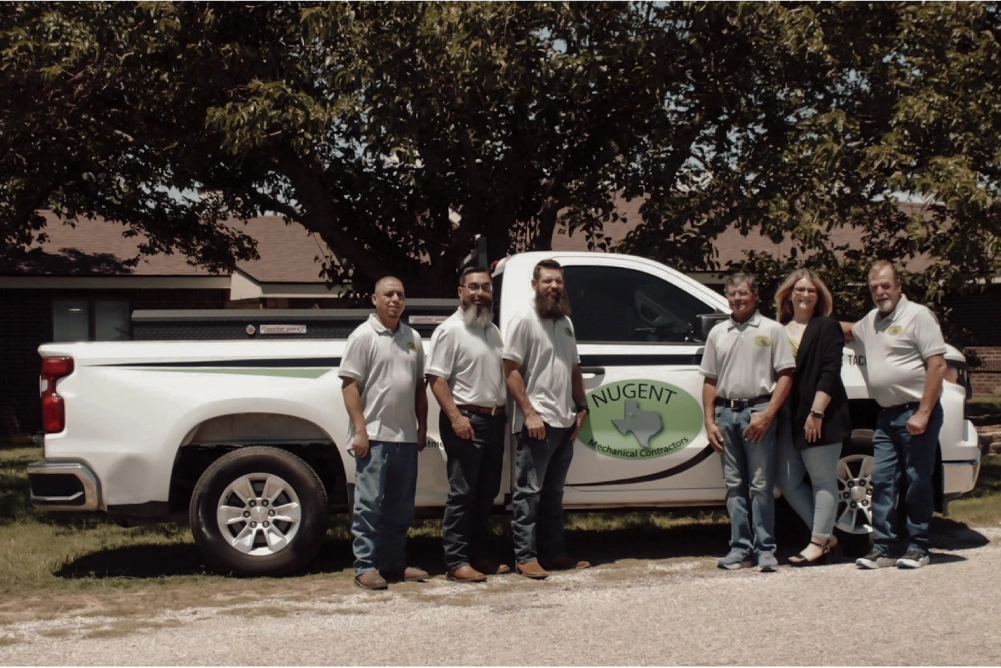
Managing home comfort can raise plenty of questions, especially when systems make strange sounds or energy bills unexpectedly jump. To help you keep your heating and air conditioning running smoothly, our certified technicians at Nugent Mechanical Contractors have answered some of the most common questions homeowners ask.
Q1: How often should I replace my HVAC air filter?
A: As a general rule, standard 1-inch pleated filters should be replaced every 30 to 60 days. However, if you have pets, allergies, or live in windy, dusty environments like West Texas, you may need to check and replace your filter every 30 days. Clean filters protect indoor air quality and prevent restricted airflow, which can overheat your furnace or freeze your AC evaporator coils.
Q2: How often does my heating and cooling system need maintenance?
A: We recommend professional preventative maintenance twice a year:
-
Spring: Tune up your air conditioning system before summer heat hits.
-
Fall: Inspect and service your furnace or heat pump before cold weather sets in.
Regular tune-ups catch minor wear and tear early, boost energy efficiency, lower monthly operating costs, and help extend system service life.
Q3: Why is my AC unit running, but my house isn’t getting cold?
A: This common issue can stem from several factors, including:
-
A dirty, clogged air filter restricting airflow.
-
Low refrigerant levels due to a system leak.
-
A dirty outdoor condenser coil unable to release heat.
-
Thermostat misconfigurations or failing blower components.
If changing your air filter doesn’t resolve the issue, turn the system off and schedule a diagnostic repair visit to prevent further component damage.
Q4: Should I repair or replace my aging HVAC system?
A: Consider the 50% Rule: If your system is over 10 to 15 years old and the cost of necessary repairs approaches 50% of the cost of a new system, replacement is usually the smarter long-term financial choice. Modern systems offer higher AFUE and SEER2 efficiency ratings, delivering lower monthly utility bills and greater peace of mind.
Q5: What can I do to lower my monthly heating and cooling bills?
A: Easy steps include:
-
Installing a programmable or smart thermostat to adjust temperatures automatically when you are away.
-
Keeping up with routine seasonal maintenance tune-ups.
-
Sealing gaps around windows and doors to keep outdoor air out.
-
Ensuring air vents and return grilles remain unobstructed by furniture or drapes.
Have More Questions About Your Home’s Comfort?
Whether you need routine tune-ups, emergency 24/7 repairs, or guidance on system upgrades, the expert team at Nugent Mechanical Contractors is here to help.
How to Find a Reputable HVAC Contractor (And Avoid Costly Mistakes)
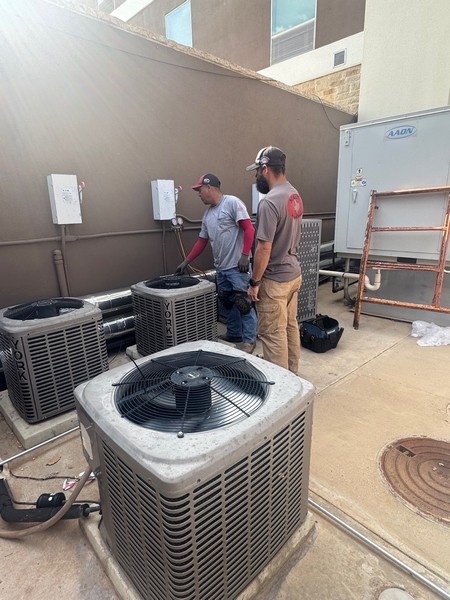
Your heating and cooling system is one of the most significant investments in your home. From summer heatwaves to winter freezes, your HVAC system works year-round to keep your indoor air safe, clean, and comfortable.
However, even top-tier HVAC equipment will underperform if installed or serviced improperly. Finding a reliable, trustworthy contractor is essential. Here are key steps to ensure you choose the right professional for your heating and air conditioning needs.
1. Verify Licensing and Insurance
Never hire an unlicensed contractor. A reputable HVAC technician must hold active state licenses and carry comprehensive liability and workers’ compensation insurance. This protects your property and guards you against liability in the event of an accidental injury on the job.
2. Look for Factory Authorizations and Certifications
Top manufacturers do not give their seal of approval to just anyone. Look for contractors with official brand credentials, such as Bryant Factory Authorized Dealers. Authorizations indicate that technicians undergo ongoing rigorous factory training and adhere to strict technical quality standards.
3. Demand Upfront, Transparent Pricing
Reputable HVAC companies believe in clear, straightforward communication. Avoid companies that give vague estimates over the phone without evaluating your property first, or those who tack on hidden fees after completing a service call. Look for contractors that offer upfront pricing and free estimates on replacement installations.
4. Check Local Reviews and Community Reputation
Online reviews on Google and local platforms provide transparent insight into a company’s performance, punctuality, and customer care. Look for consistent feedback regarding punctuality, clean work sites, clear communication, and customer satisfaction. Family-owned businesses that have served the area for decades often prioritize lasting customer relationships over quick sales.
5. Beware of High-Pressure Sales Tactics
A trustworthy contractor diagnoses root issues and explains solutions clearly without resorting to high-pressure sales pitches. If a technician insists that your entire system must be replaced immediately without explaining why, consider getting a free second opinion.
The Nugent Difference
Since 1999, Nugent Mechanical Contractors has delivered high-quality, honest heating and cooling service across Lubbock and surrounding communities. As a family-owned, licensed, and bonded Bryant Factory Authorized Dealer, we stand behind our workmanship with a 100% satisfaction guarantee.
The Pros and Cons of Different Furnace Types: Choosing the Right Heating System for Your Home
When West Texas winter temperatures drop, a reliable heating system isn’t just a comfort—it’s a necessity. If your furnace is aging, making strange noises, or causing your energy bills to spike, it may be time to consider a replacement.
However, with several furnace types on the market, choosing the right system can feel overwhelming. At Nugent Mechanical Contractors, we believe in providing honest, straightforward advice to help you make informed decisions for your home. Here is a breakdown of the pros and cons of the most common furnace types available today.
1. Natural Gas Furnaces
Natural gas furnaces are the most widely used heating systems across the country and in many West Texas neighborhoods.
-
Pros:
-
High Efficiency: Modern gas furnaces boast AFUE (Annual Fuel Utilization Efficiency) ratings up to 98%, meaning nearly all fuel consumed is converted directly into heat.
-
Fast & Powerful Heating: Gas furnaces produce intense, hot air quickly, warming up large spaces rapidly during freezing spells.
-
Cost-Effective Operation: Natural gas is often more economical per unit of heat than electricity.
-
-
Cons:
-
Higher Upfront Investment: Installation costs tend to be higher due to gas line requirements and venting infrastructure.
-
Maintenance Needs: Requires regular safety inspections to prevent potential hazards like carbon monoxide leaks.
-
2. Electric Furnaces
Electric furnaces generate heat using electric heating elements, similar to a giant toaster pushing warm air through ductwork.
-
Pros:
-
Lower Initial Cost: Electric furnaces generally cost less to purchase and install up front.
-
Quiet & Safe: Operating without combustion, there is zero risk of gas leaks or carbon monoxide generation.
-
Long Lifespan: With fewer complex moving mechanical parts, electric systems often last 20 to 30 years with routine care.
-
-
Cons:
-
Higher Monthly Utility Bills: Electricity is generally more expensive per BTU than natural gas, leading to higher operating costs in peak winter months.
-
Slower Heating Speed: Takes longer to warm up colder spaces compared to high-BTU gas units.
-
3. Heat Pumps (Hybrid Electric Systems)
Heat pumps act as an all-in-one heating and cooling solution. Instead of generating heat, they pull warmth from the outside air and transfer it indoors during winter, then reverse the process during summer.
-
Pros:
-
Year-Round Comfort: Offers both heating and air conditioning in a single system.
-
Extreme Efficiency: Can lower heating-related energy consumption significantly compared to traditional resistance heating.
-
Eco-Friendly: Reduces carbon footprint by utilizing thermodynamic heat transfer rather than burning fossil fuels.
-
-
Cons:
-
Auxiliary Heating Needed for Extreme Freezes: When temperatures plunge well below freezing, heat pumps may rely on backup electric resistance heat strip kits, temporarily reducing seasonal efficiency.
-
Which System Is Right for You?
Choosing the best system depends on your budget, fuel access, and home layout. Whether you prefer a gas unit or an electric setup, partnering with a trusted technician ensures correct sizing, installation, and energy performance.