
Why a New Air Filter Is Crucial for Your HVAC System
Changing your air filter is one of the simplest home maintenance tasks, yet it is often the most neglected. Your HVAC system’s air filter does far more than just trap dust—it plays a direct role in maintaining overall equipment health, indoor air cleanliness, and monthly energy efficiency.
4 Reasons Never to Skip Filter Changes
-
Protects Equipment from Costly Damage: Dust and debris bypassing a dirty or missing filter accumulate on sensitive indoor evaporator coils and blower motors. Over time, this buildup causes coils to freeze, motors to overheat, and components to fail prematurely.
-
Lowers Monthly Energy Bills: When a filter becomes clogged, your system has to work significantly harder to draw air through the restricted material. Replacing dirty filters regularly reduces system workload and optimizes energy consumption.
-
Maintains Healthy Indoor Air Quality: Air filters trap household dust, pollen, pet dander, mold spores, and airborne particulate matter. Timely replacements keep these pollutants from continuously recirculating through your living areas.
-
Ensures Proper System Airflow: Restricted airflow from a clogged filter prevents your HVAC system from maintaining set thermostat temperatures, leading to uneven cooling and continuous, inefficient running cycles.
How Often Should You Change Your Filter?
-
Standard 1-inch filters: Replace every 30 to 60 days.
-
Homes with pets or allergies: Replace every 30 days.
-
High-efficiency pleated/media filters (3 to 5-inch): Inspect quarterly and replace every 6 to 12 months.
Keep Your System Running Clean
Regular filter replacement is your system's first line of defense against unexpected breakdowns and poor air quality.
Want to ensure your HVAC system is performing at its best?
Schedule a comprehensive seasonal tune-up. Get in touch with Neugent Mechanical today!

Why a New Air Filter is Crucial for Your HVAC System
Of all the tasks involved in maintaining a home, changing your HVAC air filter is one of the simplest—yet it is also the most frequently overlooked.
Many homeowners assume the air filter exists solely to purify the air they breathe. While air quality is a great benefit, the filter’s primary job is actually to protect the internal components of your heating and cooling system from dust and debris.
Skipping routine filter changes can trigger a domino effect of system problems. Here is why keeping a clean air filter installed is critical to your HVAC system’s health.
What Happens When You Neglect Your Air Filter?
1. Reduced Airflow and Uneven Cooling
As an air filter traps dust, pet dander, and fibers, its mesh gradually fills up. A clogged filter severely restricts airflow through your ductwork, forcing your system to work much harder to push conditioned air into your rooms.
2. Frozen Evaporator Coils
Air conditioning systems rely on steady airflow over the evaporator coil to absorb heat from inside your home. When restricted airflow prevents proper heat absorption, the refrigerant inside the coil gets too cold, causing moisture to freeze solid on the coils. An ice-covered coil completely halts cooling and can damage your compressor.
3. Increased Energy Consumption & Wear
A system suffocating from a dirty filter runs longer cycles to reach the temperature set on your thermostat. This extra runtime causes electricity bills to surge and accelerates mechanical wear on the blower motor.
4. Poor Indoor Air Quality
Once a filter reaches saturation, trapped dust and debris get pulled directly into your ductwork and recirculated throughout your home. This exacerbates symptoms for family members dealing with seasonal allergies or asthma.
How Often Should You Change Your Filter?
Recommended filter replacement schedules depend on your household dynamics:
-
Basic Fiberglass Filters: Replace every 30 days.
-
Pleated Filters (Standard Household): Replace every 60 to 90 days.
-
Homes with Pets or Allergy Sufferers: Inspect monthly and replace every 30 to 60 days.
Trust Nugent Mechanical for Comprehensive Care
Changing your filter regularly is a great DIY habit, but full system care requires regular professional inspections to catch hidden issues early. Keep your heating and cooling running efficiently all year with help from Nugent Mechanical.
The Benefits of Installing a New HVAC System
If your current heating and air conditioning unit is more than 10 to 15 years old, constantly needs repairs, or struggles to maintain consistent indoor temperatures, upgrading to a modern system is one of the best investments you can make for your home or business.
Modern HVAC technology delivers performance gains that go far beyond simply blowing cold or warm air.
Key Advantages of Upgrading Your Heating and Cooling
-
Substantial Energy Savings: Modern high-efficiency systems feature higher SEER2 (Seasonal Energy Efficiency Ratio) ratings, using significantly less electricity to cool and heat your space. This translates directly into lower monthly utility bills.
-
Consistent Indoor Comfort: Newer systems offer variable-speed technology and advanced airflow control, eliminating hot or cold spots and keeping indoor temperatures steady throughout the day.
-
Improved Indoor Air Quality: Updated systems pair seamlessly with modern filtration, humidity control, and air purification equipment, reducing dust, allergens, and airborne pollutants.
-
Quieter Operation: Advances in sound-dampening technology and modern compressor design mean new systems run far quieter than older, noisy units.
-
Peace of Mind and Reliability: A fresh system paired with manufacturer warranty coverage eliminates the stress and expense of sudden breakdown repairs during seasonal temperature extremes.
Invest in Lasting Comfort
Upgrading your HVAC unit increases your property's value while providing immediate daily comfort and lower operating costs.
Ready to lower your energy bills and upgrade your home's comfort?
Explore modern high-efficiency options with our local experts. Contact Neugent Mechanical today for a free installation estimate!
The Benefits of Installing a New HVAC System
Is your existing heating and cooling system constantly struggling to maintain comfortable temperatures? Are you spending money on frequent repairs while monthly electric bills continue to rise?
While replacing an old HVAC unit requires an upfront investment, upgrading to a modern, energy-efficient system delivers long-term financial savings and everyday comfort upgrades.
Top Advantages of Upgrading Your HVAC System
1. Significantly Lower Energy Bills
Modern HVAC units operate under strict SEER2 (Seasonal Energy Efficiency Ratio) standards. Older systems lose efficiency over time, forcing them to draw more power to achieve basic cooling. Installing a modern high-efficiency unit can lower your monthly cooling energy consumption by up to 20–40%.
2. Superior Indoor Comfort & Even Temperatures
Outdated single-stage systems turn on and off at maximum capacity, creating hot spots, cold drafts, and temperature swings between rooms. Modern variable-speed or two-stage units adjust output continuously, maintaining even temperatures and effective humidity control throughout your home.
3. Fewer Emergency Repairs & Greater Reliability
Aging systems are prone to unexpected breakdowns—often during peak summer heat or mid-winter cold snaps. A new installation provides peace of mind, backed by robust manufacturer warranties that protect you from costly out-of-pocket repair bills.
4. Improved Indoor Air Quality
Newer HVAC setups incorporate advanced filtration options, quieter blower motors, and improved humidity balance. This reduces indoor dust, airborne allergens, and mold spore circulation, creating a healthier living space for your family.
5. Increased Property Value
A newly installed, highly efficient HVAC system is a strong selling point for potential buyers. It demonstrates responsible home maintenance and assures buyers they won’t face major heating or cooling replacement costs anytime soon.
Upgrade Your Comfort with Nugent Mechanical
If your system is over 10 to 12 years old and requiring frequent service, it may be time to evaluate replacement options. Nugent Mechanical offers expert equipment sizing, transparent estimates, and precision installation tailored to your building’s specific heating and cooling load.
Contact us today to explore your installation options!
A Homeowner's Guide to Residential and Commercial HVAC Services
Whether managing a busy household or running a local business, reliable heating and cooling are essential for comfort, safety, and operational efficiency. Understanding how residential and commercial HVAC systems differ—and what services keep them running smoothly—helps property owners make smart decisions about their indoor climate.
Residential vs. Commercial HVAC: What’s the Difference?
While both systems serve the same basic purpose of heating, cooling, and circulating air, their scale and operational demands vary significantly:
-
System Location & Footprint: Residential units typically split components between an outdoor pad and an indoor closet, basement, or attic. Commercial systems are usually modular rooftop units (RTUs) that save ground space and reduce noise inside working areas.
-
Capacity & Complexity: Commercial systems handle larger square footage and heavier occupancy loads, requiring multi-zone setups, advanced ventilation, and complex controls compared to standard single-family home systems.
-
Maintenance Demands: Because commercial equipment operates continuously under heavy demand, it requires frequent, structured servicing to prevent costly downtime. Residential systems benefit from thorough twice-a-year seasonal tune-ups.
Essential HVAC Services Every Property Owner Needs
Keeping indoor air comfortable year-round requires three core service categories:
-
Preventative Maintenance: Seasonal inspections clean coils, verify refrigerant levels, inspect electrical connections, and catch minor wear before it causes a system breakdown.
-
Precision Repairs: Prompt diagnostic and repair service resolves airflow issues, failing components, or unusual noises, restoring efficiency quickly.
-
System Upgrades & Replacement: When aging units lose efficiency or break down frequently, professional sizing and installation of new, high-efficiency equipment dramatically lowers energy bills.
Trust Neugent Mechanical for Your Heating and Cooling Needs
From family living rooms to commercial properties, expert HVAC care keeps your building safe and efficient through every season.
Need reliable heating or cooling service?
Protect your comfort and energy budget. Contact Neugent Mechanical today to schedule your service or consultation!
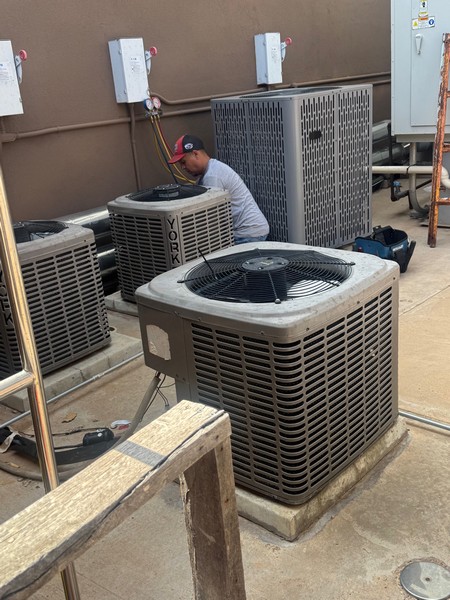
A Homeowner's Guide to Residential and Commercial HVAC Services
When you step into a building—whether returning to your home after a long day or entering your office on a hot afternoon—you expect clean, comfortable, controlled indoor air. That seamless comfort is made possible by your heating, ventilation, and air conditioning (HVAC) system.
Understanding how residential and commercial HVAC services differ, as well as knowing when to request professional help, empowers you to make smart, cost-effective decisions for your property. Here is a guide to the core HVAC services that keep home and business environments running reliably year-round.
Residential vs. Commercial HVAC: What’s the Difference?
While both systems serve the same basic function—heating and cooling spaces—their scope, design, and complexity vary significantly:
-
Residential HVAC Systems: Typically split systems, featuring an indoor evaporator unit and an outdoor condenser unit. They are engineered to maintain steady temperatures across individual living spaces and rely on standard ductwork setups.
-
Commercial HVAC Systems: Built to handle high occupant capacity and larger square footage. These modular systems are often installed on rooftops (packaged RTUs) to save interior space and allow easy servicing without disturbing workplace operations.
Core HVAC Services Every Property Owner Needs
1. Routine Maintenance & Seasonal Tune-Ups
Preventative maintenance is the most effective way to avoid emergency breakdowns. Annual tune-ups—ideally performed in the spring for AC systems and fall for heating systems—include cleaning coils, checking refrigerant levels, inspecting electrical connections, and testing thermostats.
2. Timely Diagnostics & Repairs
Strange noises, weak airflow, sudden spike in utility bills, or inconsistent temperatures across rooms are clear warning signs. Professional diagnostic services identify failing components before minor electrical issues or mechanical wear cause total system failure.
3. Equipment Replacement & Installation
Even well-maintained HVAC systems have a typical lifespan of 12 to 15 years. Modern high-efficiency replacements deliver quieter operation, consistent humidity control, and substantial reductions in monthly energy bills.
Why Professional Service Matters
Attempting DIY fixes on complex electrical, gas, or refrigerant lines poses safety risks and often voids manufacturer warranties. Certified HVAC technicians possess the specialized tools and training required to service equipment safely and accurately.
At Nugent Mechanical, we deliver dependable residential and commercial HVAC solutions across Lubbock and surrounding West Texas communities. Whether you need a quick home repair or comprehensive commercial maintenance, our team has you covered.