
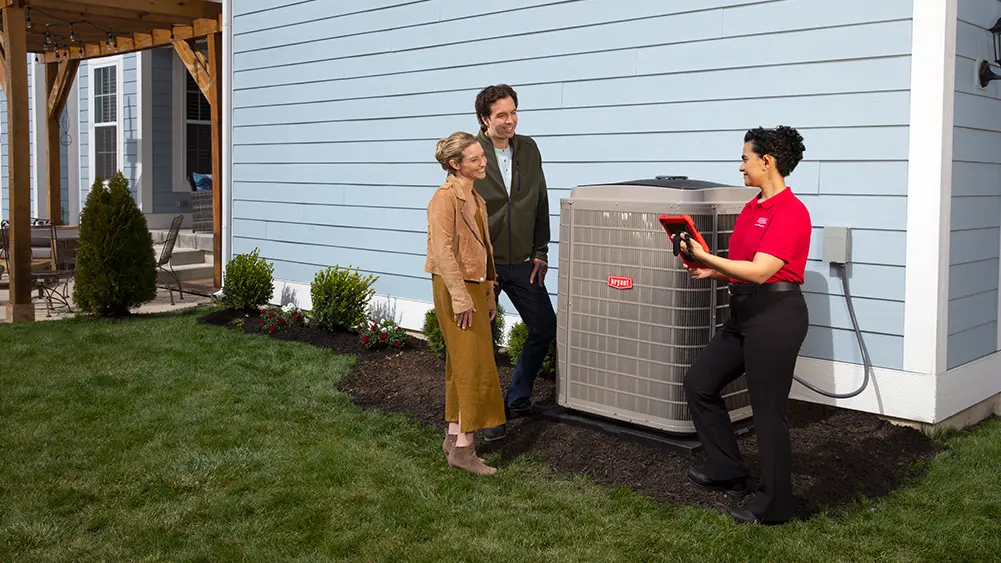
Understanding Your HVAC Warranty and What It Covers
A new heating and cooling system is a significant investment in your home’s long-term comfort. Like any major purchase, it comes with a warranty designed to protect you from premature failures. However, HVAC warranties can be notoriously complex, filled with fine print that determines whether a repair is covered or if you’re stuck with the bill.
At Nugent Mechanical Contractors, we believe in total transparency. Understanding the difference between a manufacturer’s warranty and a labor warranty is essential for every Lubbock homeowner. Here is a breakdown of what you need to know.
1. The Manufacturer’s Parts Warranty
This is the most common type of warranty, provided by the brand that built the unit (such as Trane, Carrier, or Lennox).
-
What it covers: Specifically, the internal components of the machine—things like the compressor, coils, fan motors, and circuit boards.
-
The Timeline: Most major brands offer a 5-year base warranty. However, many manufacturers will extend this to 10 years if you register the product within a certain timeframe (usually 60 to 90 days) after installation.
-
The Catch: This warranty typically covers the cost of the part, but not the shipping or the specialized labor required to install it.
2. The Labor Warranty
While the manufacturer covers the "parts," the labor warranty covers the "work." This is usually provided by the HVAC company that performed the installation.
-
What it covers: The technician's time, diagnostic fees, and the physical labor of replacing a failed component.
-
The Importance: Labor costs can often be the most expensive part of a repair. Having a solid labor warranty from a reputable company like Nugent Mechanical Contractors provides true "bumper-to-bumper" peace of mind.
3. What Can "Void" Your Warranty?
A warranty is a two-way street. To keep it valid, you must fulfill certain requirements. Most homeowners are surprised to learn that their coverage can be cancelled for several reasons:
-
Lack of Professional Maintenance: Most manufacturers explicitly state that the unit must be serviced annually by a licensed professional. If a compressor fails and you cannot provide proof of regular maintenance, the claim may be denied.
-
Unlicensed Repairs: If a "handyman" or an unlicensed individual attempts to repair the system, the manufacturer's warranty is often immediately voided.
-
Non-OEM Parts: Using "off-brand" or generic replacement parts instead of Original Equipment Manufacturer (OEM) parts can disqualify you from future coverage.
-
Failure to Register: As mentioned above, failing to register your new unit online shortly after installation can cut your 10-year warranty down to just 5 years.
4. What Is NOT Covered?
It is important to remember that a warranty is not the same as home insurance. Standard warranties typically do not cover:
-
Environmental Damage: Damage from Lubbock's famous dust storms, lightning strikes, or hail is usually an insurance claim, not a warranty repair.
-
Pest Damage: If a rodent chews through your electrical wiring, the manufacturer will not cover the repair.
-
Ancillary Parts: Items like air filters, thermostat batteries, and external ductwork are generally excluded from the equipment warranty.
The Nugent Commitment to Your Warranty
When you partner with Nugent Mechanical Contractors, we take the guesswork out of the process. We assist our customers with the registration of their new equipment and maintain detailed service records for every visit. This ensures that if a part does fail, you have all the documentation necessary to get it replaced under warranty without the hassle.
Have questions about the coverage on your current system? Contact Nugent Mechanical Contractors today! We can help you understand your warranty status and keep your system compliant through professional seasonal maintenance.
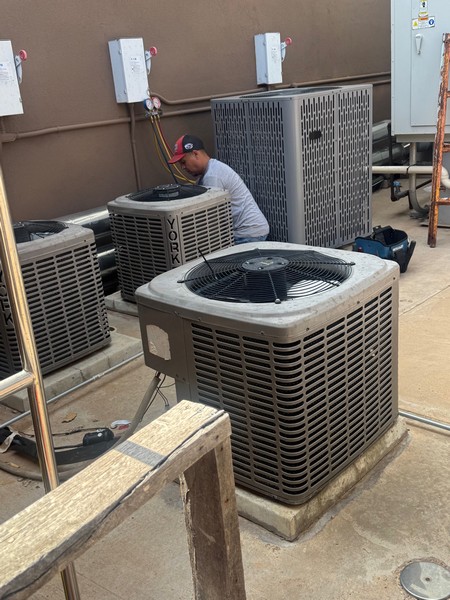
How to Maintain Your AC to Extend Its Lifespan
An air conditioning system is one of the most significant investments you will make in your home. In the demanding climate of West Texas, your HVAC unit works thousands of hours every year to combat extreme heat and blowing dust. Without proper care, a system designed to last 15 to 20 years can fail in as little as 10.
At Nugent Mechanical Contractors, we believe the best way to save money on your AC is to keep the one you already have running perfectly. Here are the essential maintenance steps every Lubbock homeowner should take to extend the life of their system.
1. The Golden Rule: Change Your Filters
It sounds simple, but a dirty air filter is the number one cause of system failure.
-
The Problem: A clogged filter restricts airflow, forcing the blower motor to work twice as hard. This creates heat and friction that eventually burns out the motor. Furthermore, restricted airflow can cause your evaporator coils to freeze over.
-
The Schedule: In Lubbock, we recommend checking your filters every 30 days. If you have pets or a high-dust environment, you may need to replace them more frequently.
2. Keep the Outdoor Unit Clear
Your outdoor condenser unit needs to "breathe" to release the heat it gathered from inside your home.
-
The Debris Danger: High winds in West Texas often blow weeds, trash, and dirt into the delicate fins of your condenser.
-
The Fix: Maintain a two-foot clearance around the unit. Trim back shrubs, remove tall grass, and never store items (like garden hoses or bikes) leaning against the unit.
-
Cleaning: Periodically use a garden hose to gently spray the exterior fins. This removes the "blanket" of dust that acts as an insulator and forces the compressor to run hotter and longer.
3. Clear the Condensate Drain Line
Your AC doesn't just cool the air; it removes moisture. That moisture drips into a drain pan and flows out of your house via a small PVC pipe.
-
The Risk: Over time, algae and "sludge" can grow inside this line, causing a blockage. This leads to water backing up into your home, potentially causing thousands of dollars in ceiling or flooring damage.
-
Pro Tip: Once or twice a year, pour a cup of distilled white vinegar down the drain line access point to kill any organic growth before a clog forms.
4. Schedule Professional Spring Tune-Ups
While there is a lot you can do yourself, certain technical checks require a professional. A Nugent Mechanical Contractors technician performs a comprehensive multi-point inspection that includes:
-
Electrical Tightening: Ensuring all connections are secure to prevent arcing or fire hazards.
-
Refrigerant Level Check: A system low on "freon" has to run significantly longer to achieve the same cooling effect, putting immense strain on the compressor.
-
Lubrication: Oiling moving parts to reduce friction and noise.
-
Coil Cleaning: Using professional-grade chemical cleaners to restore the thermal transfer efficiency of your evaporator and condenser coils.
5. Listen to Your System
Your AC will often tell you it’s struggling before it actually breaks. Be on the lookout for:
-
Short-Cycling: If the unit turns on and off every few minutes, it’s under stress.
-
Strange Noises: Squealing, grinding, or banging sounds often indicate a failing belt or motor bearing.
-
Rising Bills: If your utility costs are climbing but the weather hasn't changed, your system is likely losing its efficiency.
Extend Your Comfort with Nugent Mechanical
Proactive maintenance isn't just about avoiding a breakdown; it’s about ensuring that when that 105°F day hits, your system is ready for the challenge. By following these steps, you’ll enjoy a cooler home, lower bills, and a system that serves you for years to come.
Want to ensure your air conditioning system survives the summer? Contact Nugent Mechanical Contractors today to schedule your professional maintenance visit!
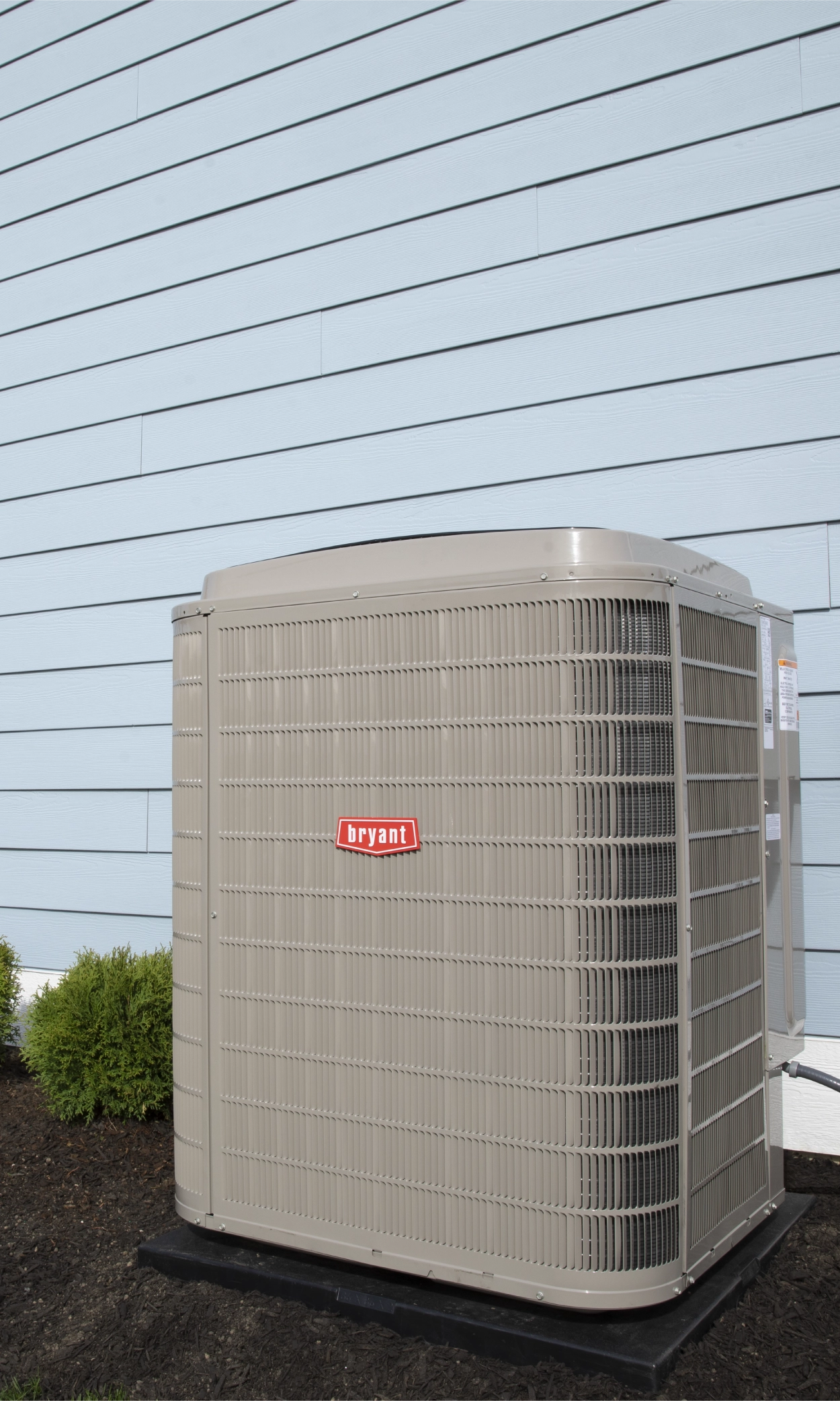
The Best AC Units for a Texas Summer: Staying Cool in the Lone Star Heat
If you’ve lived through a West Texas July, you know that a "functioning" AC isn't enough—you need a system that is built for combat. With temperatures frequently triple-digiting and the wind whipping dust across the South Plains, your HVAC system faces some of the harshest operating conditions in the country.
At Nugent Mechanical Contractors, we’ve spent years installing and maintaining systems in the Lubbock area. We know which units stand up to the heat and which ones wither. Here is our guide to the best AC units to keep your home a sanctuary this summer.
1. High-SEER2 Rated Systems
In 2023, the Department of Energy updated the efficiency standards to SEER2. When choosing a unit for Texas, the efficiency rating is your best friend.
-
Why it matters: The higher the SEER2 rating, the less electricity the unit uses to cool your home. In a climate where the AC might run for 12 hours straight, a high-efficiency unit can save you hundreds of dollars in seasonal cooling costs.
-
Our Recommendation: Look for units with a SEER2 rating of 16 or higher. While the upfront cost is more, the "payback" period through lower utility bills is significantly shorter in Texas than in cooler states.
2. Variable-Speed Compressor Technology
Standard AC units are either "on" or "off." This leads to temperature swings and high humidity.
-
The Variable Advantage: Variable-speed (or inverter) compressors can adjust their output to anywhere between 25% and 100% capacity.
-
Texas Benefit: On a 90°F day, the unit runs at a lower, quieter speed to maintain a perfect temperature. On a 110°F day, it kicks into high gear. This constant, modulated flow is also superior at removing the "sticky" humidity that can sometimes settle in after a summer thunderstorm.
3. Two-Stage Cooling Units
If a full variable-speed system is outside your budget, a two-stage unit is the perfect middle ground for Lubbock homeowners.
-
How it works: It has a "high" setting for the hottest part of the afternoon and a "low" setting (usually about 65% capacity) for mornings and evenings.
-
The Result: You get better energy efficiency and less wear and tear on the system compared to a single-stage unit that is constantly cycling on and off.
4. Units with Advanced Coil Protection
Lubbock air is famously filled with grit and dust. This can be "sandpaper" for your AC’s delicate aluminum fins.
-
Durability Matters: We recommend units with all-aluminum evaporator coils or specialized coatings. These are much more resistant to the formicary corrosion and environmental wear common in our region.
-
Ease of Cleaning: The best units for Texas have cabinets designed for easy access, allowing technicians to thoroughly wash away the West Texas dirt during your annual spring tune-up.
5. Proper Sizing: The "Manual J" Calculation
The "best" brand in the world won't save you if it is the wrong size for your home.
-
Too Small: The unit will run 24/7, never reaching the thermostat setpoint, and will likely burn out within a few years.
-
Too Large: The unit will "short cycle," turning off before it has a chance to dehumidify the air, leaving your home feeling cold but clammy.
-
The Nugent Way: We perform a professional load calculation on every home to ensure your new system is perfectly matched to your square footage, insulation levels, and window orientations.
Beat the Heat with Nugent Mechanical Contractors
Choosing a new AC unit is a 15-year investment. At Nugent Mechanical Contractors, we don’t just sell boxes; we provide engineered comfort solutions. Whether you’re looking for the ultra-quiet performance of a top-tier variable-speed system or a rugged, reliable two-stage workhorse, we help you find the unit that fits your home and your budget.
Is your old AC struggling to keep up? Contact Nugent Mechanical Contractors today for a free consultation and let us help you prepare for the Texas summer!