
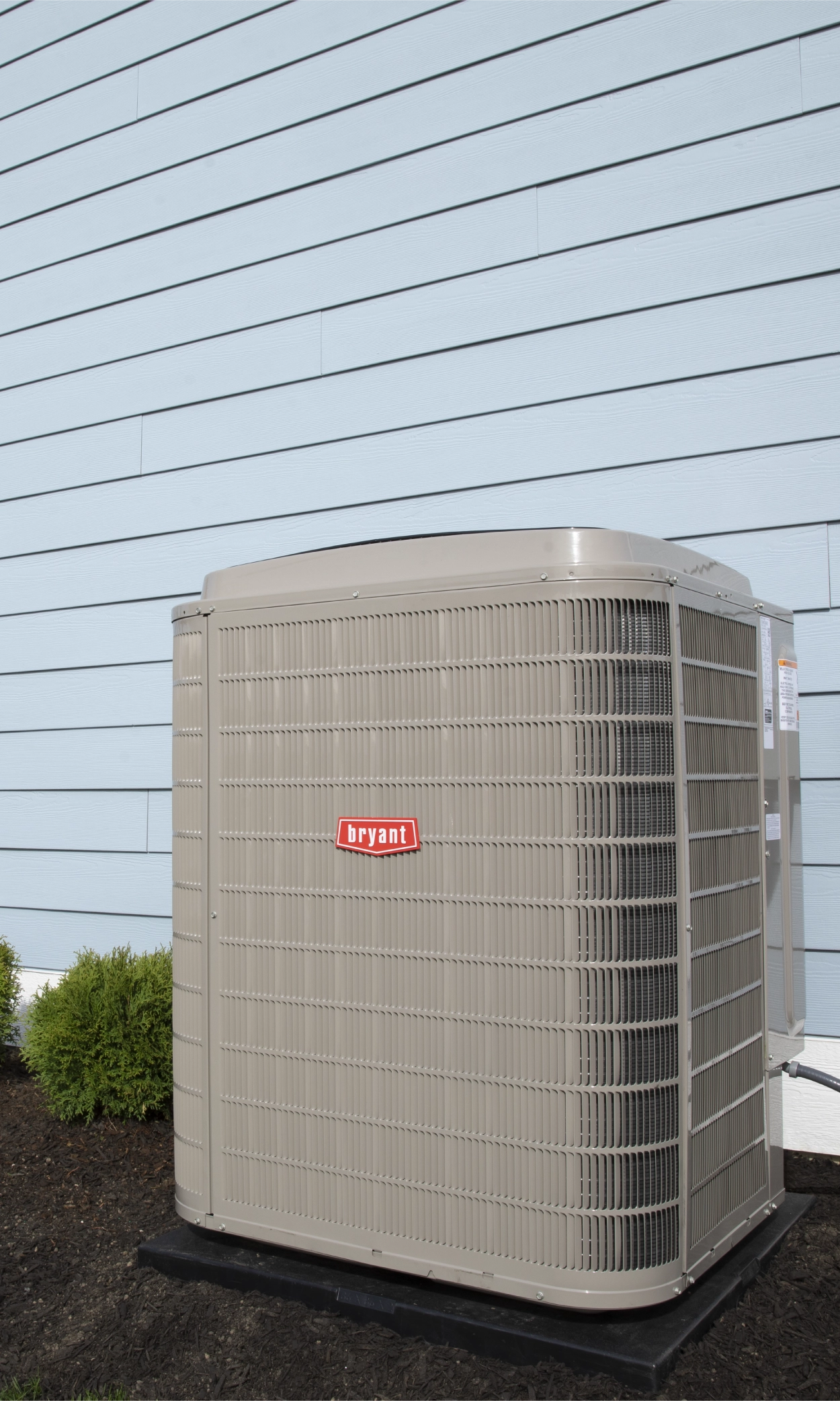
Is Your AC the Right Size? How to Tell if Your Unit is a "Goldilocks" Fit
In the world of West Texas HVAC, bigger isn't always better. Many homeowners in Lubbock assume that a massive air conditioning unit will cool their home faster and more efficiently. In reality, an oversized unit can be just as problematic as one that is too small.
At Nugent Mechanical Contractors, we call the perfect fit the "Goldilocks" unit—not too big, not too small, but just right for your home’s specific square footage, insulation, and layout. Here is how to tell if your current system is the wrong size for your space.
1. Signs Your AC Unit is Too Small (Undersized)
An undersized unit is like an engine that’s constantly "redlining." It simply doesn't have the cooling capacity to counteract the Lubbock summer sun.
-
It Runs Constantly: If your AC turns on at 10:00 AM and doesn't shut off until midnight, it’s struggling to keep up.
-
Warm Spots: Does your living room feel great while the back bedrooms stay sweltering? While this can be a ductwork issue, it’s often a sign the unit lacks the "oomph" to push cool air to the furthest corners of the house.
-
The Thermostat Battle: If you set the dial to 72°F but the indoor temperature never drops below 78°F on a triple-digit day, your unit is likely under-tonned for the heat load.
2. Signs Your AC Unit is Too Large (Oversized)
This is actually the more common problem we see. An oversized unit cools the air so quickly that it creates a host of secondary issues.
-
Short-Cycling: If your AC kicks on, blasts cold air for five minutes, and then shuts off, it is "short-cycling." Because it reaches the thermostat setting so fast, it never completes a full cooling cycle.
-
High Indoor Humidity: A major job of your air conditioning is to remove moisture. Dehumidification only happens during the latter half of a cooling cycle. If the unit shuts off too soon, the air stays "sticky," which can lead to mold and mildew.
-
Uneven Temperatures: A quick blast of cold air doesn't allow for proper air mixing. You might feel a "pocket" of cold air near the vent while the rest of the room remains stagnant.
How the Pros Determine the Right Size: The Manual J Load Calculation
When we visit a home in Lubbock, we don't just look at the square footage. We perform what’s called a Manual J Load Calculation. This is the industry-standard "math" used to determine exactly how many BTUs (British Thermal Units) your home needs.
We take the following into account:
-
Insulation Levels: A well-insulated home requires less cooling power.
-
Window Placement: West-facing windows in Texas act like giant heaters; we factor in that solar gain.
-
Ceiling Height: Cooling a room with 12-foot vaulted ceilings requires more "tons" of air than a standard 8-foot room.
-
Local Climate: We calibrate our math for Lubbock’s specific dry heat and extreme temperature swings.
The Consequences of the Wrong Size
Whether your unit is too big or too small, the result is the same: Higher Energy Bills. An undersized unit burns electricity by running non-stop. An oversized unit burns electricity because the "start-up" phase of an AC motor is the most energy-intensive part of the cycle. Additionally, the constant stopping and starting of an oversized unit leads to premature mechanical failure.
Get a Professional Sizing Assessment
If your home never quite feels comfortable, or if your electric bills are suspiciously high, it might be time for a professional evaluation. At Nugent Mechanical Contractors, we don't guess—we calculate. We can tell you if your current system is mismatched for your home and help you find a high-efficiency replacement that fits perfectly.
Stop guessing and start saving! Contact Nugent Mechanical Contractors today to schedule a professional cooling load assessment for your Lubbock home.
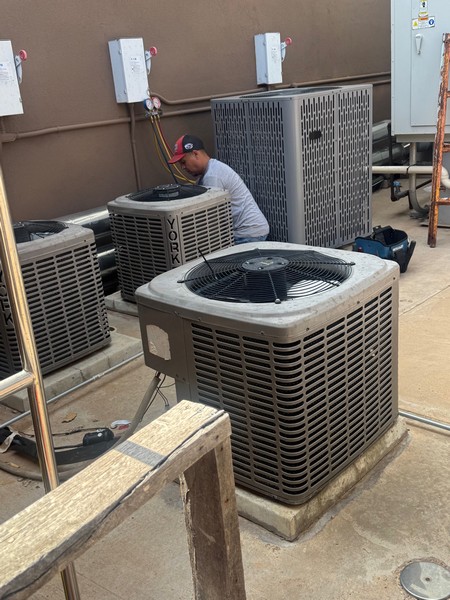
The Importance of a Professional AC Inspection: More Than Just a "Quick Look"
As the West Texas sun begins to bake the Lubbock pavement, your air conditioner transitions from a luxury to a lifeline. While many homeowners are diligent about changing their air filters, a truly reliable cooling system requires a deeper level of care. A professional air conditioning inspection is the difference between a summer of worry-free comfort and a season plagued by "no-cool" emergencies.
At Nugent Mechanical Contractors, we view an inspection as a preventative health check for your home. Here is why a professional eye is essential for your HVAC system.
1. Extending the Life of Your Equipment
An AC unit is a significant investment. Like a car, it is composed of high-speed moving parts, electrical circuits, and chemical refrigerants.
-
The "Friction" Factor: Over time, motors lose lubrication and belts become frayed. During a professional inspection, we identify these "wear items" before they snap or seize.
-
The Result: By addressing small mechanical drags early, we prevent the "domino effect" that leads to catastrophic compressor failure, potentially adding years to your system's lifespan.
2. Maximizing Energy Efficiency
In Lubbock, utility bills can skyrocket in July and August. An air conditioner that hasn't been inspected is often working 20–30% harder than necessary to achieve the same temperature.
-
Coil Cleaning: Dirt and West Texas dust act as an insulator on your evaporator and condenser coils. This prevents the heat exchange process, forcing the unit to run longer cycles.
-
Refrigerant Calibration: Even a tiny leak or a slight overcharge of refrigerant can tank your system's efficiency. We use precision gauges to ensure your "charge" is exactly where the manufacturer intended.
3. Preventing Costly Emergency Repairs
There is a reason most air conditioner breakdowns happen on the hottest day of the year: that is when the system is under the most stress.
-
Spotting "The Weak Link": Our technicians look for "pitting" on electrical contactors and testing the "capacitance" of your start-run capacitors. These parts often show signs of impending failure weeks before they actually quit.
-
The Savings: Replacing a $50 capacitor during a scheduled inspection is much cheaper than an emergency after-hours service call when your house is already 85 degrees.
4. Protecting Your Indoor Air Quality
Your HVAC system is the "lungs" of your home. If the internal components are dirty, the air you breathe is affected.
-
Biological Growth: Moisture is a byproduct of cooling. If your condensate drain line is partially clogged or your drain pan is rusty, it can become a breeding ground for mold and mildew.
-
The Inspection Fix: We clear the primary and secondary drain lines and inspect the blower assembly to ensure you are circulating clean, filtered air—not dust and spores.
5. Ensuring Safety and Warranty Compliance
Modern air conditioning systems involve high-voltage electricity and pressurized chemicals.
-
Electrical Safety: We tighten all wire connections. Heat causes metal to expand and contract, which can loosen terminals and lead to "arching" or electrical fires.
-
Warranty Protection: Most major manufacturers (like Trane or Carrier) actually require documented annual maintenance by a licensed professional to keep your parts warranty valid. Without a professional record, you could be stuck paying for a part that should have been covered.
Experience the Nugent Difference
A professional inspection isn't just a checklist; it’s about peace of mind. At Nugent Mechanical Contractors, our licensed technicians don't just "look" at your unit—they test, calibrate, and optimize every component. We live and work in Lubbock, so we know exactly how to prep your system for the unique demands of our climate.
Is your AC ready for the heat? Contact Nugent Mechanical Contractors today to schedule your comprehensive professional inspection and stay cool all summer long!

The Top 5 Signs You Need AC Repair
In West Texas, a functioning air conditioner isn't a luxury—it’s a necessity. When the Lubbock heat settles in, your HVAC system becomes the most important appliance in your home. However, even the most robust systems can experience wear and tear. The key to avoiding a total system failure (and a sweltering afternoon) is catching the small warning signs before they turn into major emergencies.
At Nugent Mechanical Contractors, we’ve seen it all. Here are the top five signs that it’s time to call in the professionals for an air conditioning repair.
1. Warm Air Blowing from the Vents
It sounds obvious, but you’d be surprised how many homeowners try to ignore a system that just "isn't as cold as it used to be." If your vents are blowing lukewarm or room-temperature air, it’s a major red flag.
-
The Cause: This could indicate a variety of issues, from a simple blown fuse or a clogged air filter to a more serious refrigerant leak or a failing compressor.
-
The Risk: Continuing to run a unit that isn't cooling properly puts immense strain on the motor, potentially leading to a total burnout.
2. Unusual Noises During Operation
Your AC should operate with a consistent, low-level hum. If your unit starts sounding like a heavy metal band, it’s trying to tell you something.
-
Squealing or Screeching: This usually points to a slipped or frayed belt or a motor bearing that needs lubrication.
-
Grinding or Banging: These metal-on-metal sounds often mean a component has come loose or a fan blade is obstructed.
-
Clicking: Frequent clicking when the unit tries to turn on often signals an electrical issue or a failing capacitor.
3. Frequent Cycling (Turning On and Off)
Does your AC seem to turn on, run for three minutes, and then shut off again, only to repeat the process moments later? This is known as "short-cycling."
-
The Cause: Short-cycling can be caused by anything from an oversized unit to a malfunctioning thermostat or a frozen evaporator coil.
-
The Cost: Every time your AC starts up, it uses a surge of electricity. Short-cycling will cause your energy bills to skyrocket and significantly shorten the lifespan of your equipment.
4. High Humidity Levels Indoors
Part of an air conditioner’s job is to pull moisture out of the air as it cools. If your home feels "sticky" or humid despite the AC running, the system isn't doing its job.
-
The Danger: Excess humidity doesn't just make you uncomfortable; it can lead to mold growth in your vents and around your windows. A professional technician can calibrate your system or recommend a whole-home dehumidifier to get your indoor air quality back on track.
5. Strange Odors
When you turn on your AC, the air should be odorless. If you notice a "funky" smell, don't just light a candle—investigate.
-
Musty or Moldy: This often indicates biological growth inside the ductwork or on the evaporator coil, often caused by a clogged condensate drain line.
-
Burning Smell: A sharp, acrid odor usually means an electrical component or wire is overheating. If you smell burning, shut the system off immediately and call for service.
Don't Wait for a Total Breakdown
Ignoring a small AC problem is like ignoring a "Check Engine" light in your car—it rarely gets better on its own. At Nugent Mechanical Contractors, we pride ourselves on providing honest, fast, and reliable repairs to keep the Lubbock community cool.
Is your AC acting up? Contact Nugent Mechanical Contractors today to schedule a diagnostic visit and get your comfort back on track!